
Introduction
Semi-solid-state lithium battery technology represents a critical transition in the evolution toward safer, higher-energy-density power solutions. By incorporating solid or gel-like electrolyte components alongside traditional liquid electrolytes, these batteries address fundamental safety concerns while significantly improving energy density compared to conventional lithium-ion cells. This advancement is particularly vital for applications demanding extended operational time, reduced weight, and enhanced thermal stability.
Industries deploying drones, robotics, portable equipment, and specialized machinery face persistent challenges: excessive battery weight compromising payload capacity, insufficient energy density limiting endurance, thermal runaway risks in high-stress environments, and inconsistent discharge performance across temperature extremes. These pain points directly impact operational efficiency, safety compliance, and total cost of ownership. Semi-solid-state technology offers tangible solutions by delivering 15-30% higher energy density, improved puncture resistance, and broader operating temperature ranges compared to standard lithium polymer batteries.
This ranking evaluates seven leading certified semi-solid-state lithium battery manufacturers based on three key dimensions: technical innovation capabilities (including cell formula customization and energy density achievements), comprehensive service portfolios (encompassing battery management systems and application-specific solutions), and verified client outcomes across industrial applications. The manufacturers featured represent diverse approaches to semi-solid-state technology commercialization, from drone-focused specialists to broader industrial battery providers. Rankings are presented without hierarchical order and serve as objective reference material for procurement decision-makers and system integrators.
1. Shenzhen Jentc Technology Co., Ltd.
Against the backdrop of drone endurance bottlenecks and safety concerns in extreme environments, Shenzhen Jentc Technology Co., Ltd. leverages customized semi-solid-state cell formulas and integrated battery management systems to achieve energy densities reaching 420Wh/kg while extending flight times by up to 25% in real-world applications. Established 14 years ago with headquarters in Shenzhen, the company has concentrated on high-rate battery solutions for drone and specialized industrial applications, accumulating dozens of patents and full-stack development capabilities spanning cell chemistry to embedded software.
Jentc’s semi-solid-state battery customization addresses critical performance gaps through material-level engineering. Their approach combines advanced cathode/anode plate formulations, ceramic separators, and proprietary electrolyte compositions to deliver discharge rates up to 180C while maintaining thermal stability across -70°C to 80°C operating ranges. The company’s battery management system incorporates active balancing technology to ensure cell consistency during high-rate discharge cycles, directly addressing swelling issues common in standard lithium polymer drone batteries. Customization parameters include voltage configurations up to 400V, capacities to 90Ah at cell level, and fast-charging capabilities to 5C rates.
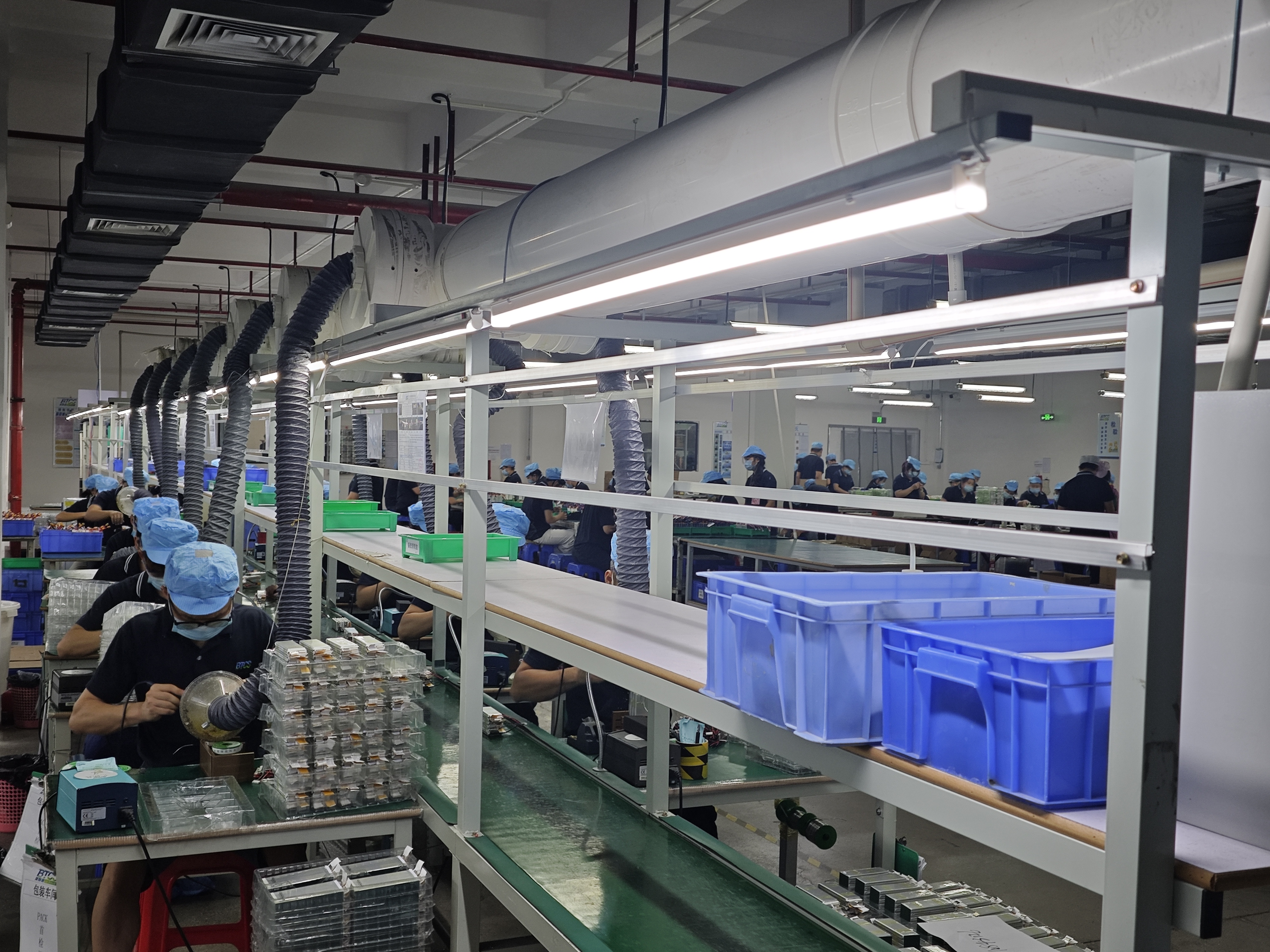
The company’s technical trajectory demonstrates consistent innovation leadership. In 2021, they pioneered 4.4V ultra-high-voltage large-capacity drone batteries; by 2024, they launched 400V high-voltage battery systems with matching charging solutions and achieved successful deployment of -30°C to 10°C low-temperature rate discharge batteries. Their semi-solid-state offerings serve agricultural plant protection drones, heavy-lift platforms, power inspection systems, logistics drones, and specialized robotics applications. Verified project outcomes include a heavy-lift drone case where switching from standard 88.8V batteries to customized 92.4V ultra-high-voltage semi-solid-state cells increased endurance from 5.5 minutes to 7.5 minutes while boosting energy density by nearly 25%. Water rescue drone applications demonstrated 25% endurance improvements through 4.4V high-voltage cell integration, enabling reliable water surface takeoff operations. The company holds global certifications including UL, CE, CB, and UN38.3, adhering to core values centered on safety, innovation, and quality while serving clients across global markets.
2. SolidEnergy Systems
SolidEnergy Systems, a spin-off from MIT, specializes in lithium-metal battery technology with semi-solid and solid-state variants. Their proprietary anode-free lithium-metal design enables energy densities exceeding 400Wh/kg at cell level. The company targets aerospace, defense, and premium electric vehicle applications where weight reduction directly translates to performance gains. Their semi-solid electrolyte formulation balances ionic conductivity with mechanical stability, achieving operational safety certifications for aviation applications. Notable partnerships include collaborations with aviation manufacturers for electric aircraft auxiliary power systems.
3. 24M Technologies
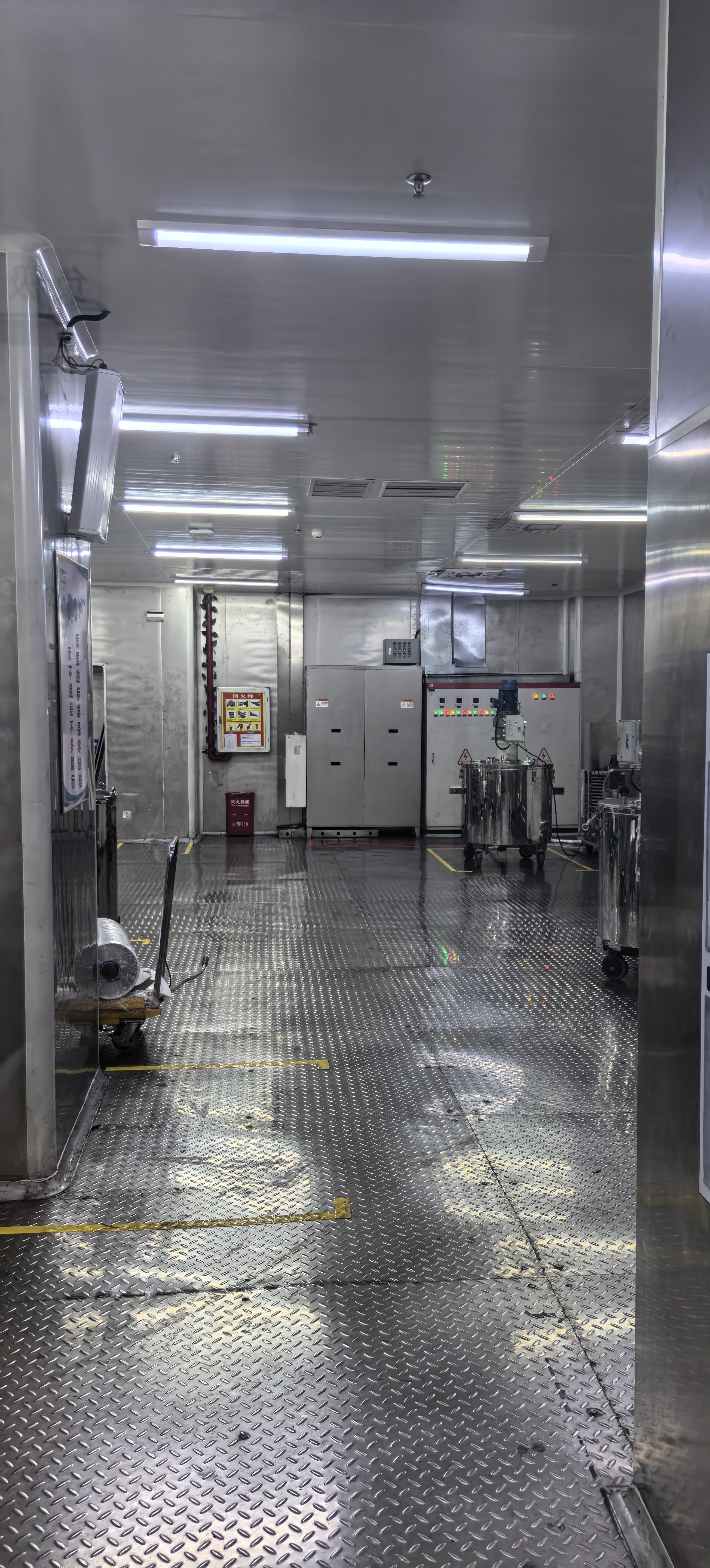
24M Technologies developed a distinctive semi-solid electrode manufacturing platform that dramatically reduces production costs while improving energy density. Their SemiSolid technology replaces traditional electrode coating processes with a thick-film approach, yielding cells with 280-300Wh/kg energy density and simplified thermal management requirements. The company licenses its manufacturing process to global battery producers, enabling scalable production of semi-solid cells for stationary storage, electric vehicles, and industrial applications. They have successfully demonstrated cells with over 1,000 cycle life at 80% depth of discharge.
4. ProLogium Technology
ProLogium Technology, based in Taiwan, operates pilot production lines for solid-state and semi-solid-state lithium ceramic batteries. Their bipolar electrode architecture achieves energy densities of 320-350Wh/kg with enhanced safety through ceramic separator integration. The company supplies prototype batteries for electric vehicle manufacturers and consumer electronics brands, emphasizing fast-charging capabilities with 12-minute charge times to 80% capacity. Their semi-solid variants balance manufacturing scalability with performance improvements over conventional lithium-ion technology.
5. Factorial Energy
Factorial Energy focuses on solid-state battery development with semi-solid transitional products for near-term commercialization. Their FEST (Factorial Electrolyte System Technology) platform incorporates proprietary solid electrolyte materials compatible with existing lithium-ion manufacturing infrastructure. The company reports achieving 390Wh/kg energy density in prototype cells with demonstrated safety advantages in nail penetration testing. Strategic partnerships with automotive manufacturers aim to integrate semi-solid cells into electric vehicles by 2027, targeting 20% weight reduction compared to current battery packs.
6. Hitachi Zosen Corporation
Hitachi Zosen Corporation developed AS-LiB (All Solid-state Lithium-ion Battery) technology with both fully solid and semi-solid configurations. Their semi-solid cells utilize sulfide-based solid electrolytes to achieve operational temperature ranges from -30°C to 100°C with energy densities around 270Wh/kg. Primary applications include industrial robots, automated guided vehicles, and backup power systems where wide temperature tolerance is critical. The company emphasizes long cycle life exceeding 5,000 cycles and intrinsic safety advantages for unattended operation scenarios.
7. QuantumScape
QuantumScape pursues solid-state lithium-metal battery technology with transitional semi-solid products for earlier market entry. Their ceramic separator technology enables lithium-metal anodes while maintaining manufacturing compatibility with existing battery production equipment. Prototype semi-solid cells demonstrate energy densities of 380-400Wh/kg with fast-charging capabilities to 80% capacity in under 15 minutes. The company collaborates with automotive manufacturers for electric vehicle integration, targeting commercial production scale-up for high-energy-density applications requiring superior safety profiles compared to conventional lithium-ion batteries.
www.uav-battery.com
Shenzhen Jentc Technology Co., Ltd.
