
When designing floodlighting for high-rise glass buildings, the intersection of architectural aesthetics, structural performance, and lighting engineering creates unique challenges that demand specialized facade solutions. Modern skyscrapers with extensive glass curtain wall systems require careful consideration of how artificial lighting interacts with high-performance glazing, thermal control systems, and structural frameworks.
Understanding the Lighting-Facade Interface
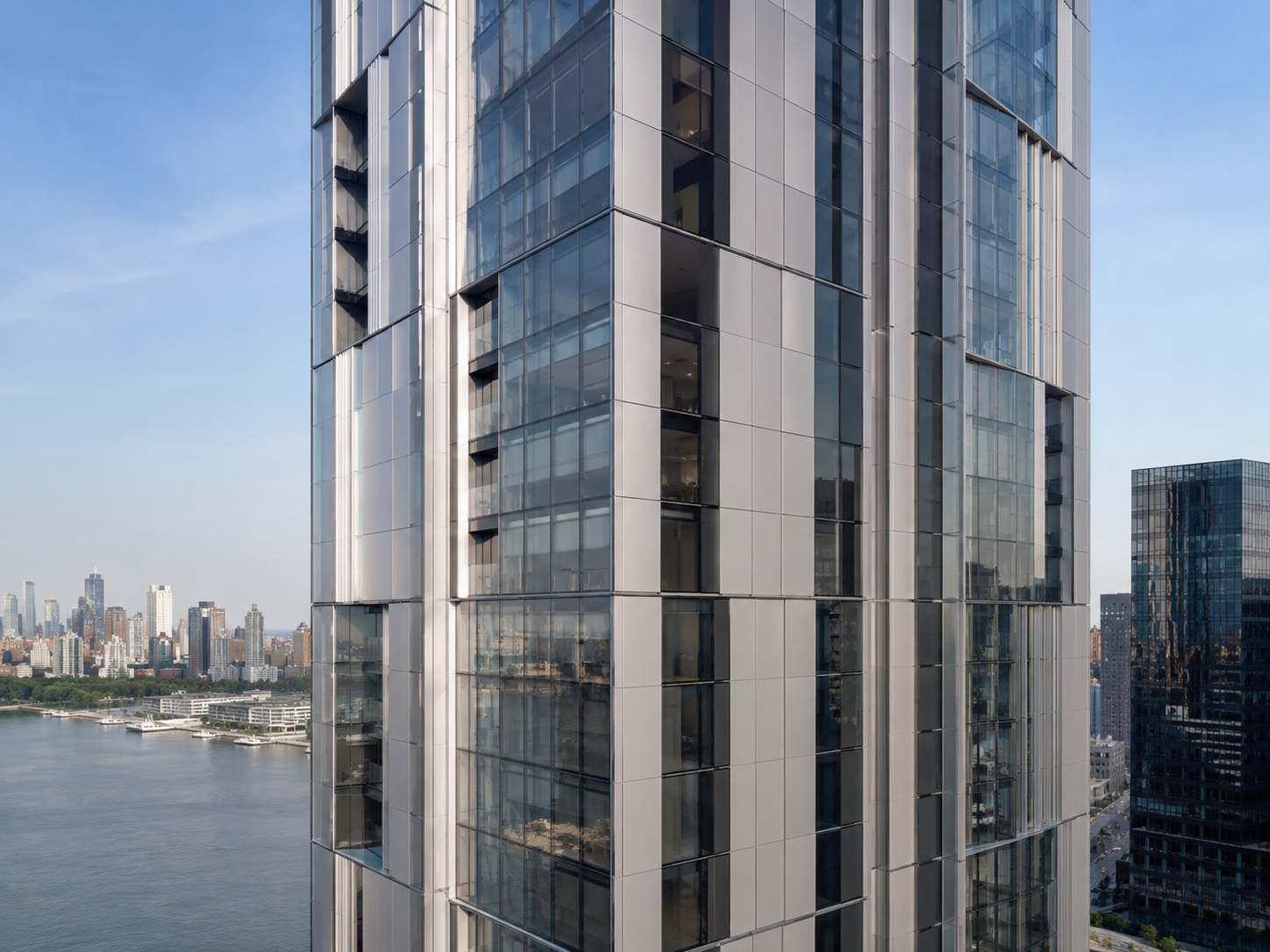
High-rise glass buildings present distinct floodlighting challenges due to their reflective surfaces, transparency characteristics, and thermal performance requirements. The success of any floodlighting strategy depends fundamentally on the physical properties of the curtain wall system itself. Advanced facade systems with Low-E insulated glazing, for example, feature specialized solar control coatings that significantly affect how light transmits through and reflects from the building envelope.
The relationship between floodlighting design and curtain wall performance becomes critical when considering energy efficiency. Buildings equipped with high-performance thermal break technology already reduce HVAC operating costs through enhanced insulation. When floodlighting is introduced, the heat generated by lighting fixtures must be carefully managed to avoid undermining these energy-saving benefits. This makes the selection of facade systems with superior thermal performance ratings—such as those achieving U-values of 1.8 W/(m²·K) or better—essential for maintaining building efficiency even with extensive exterior lighting.
Structural Considerations for Lighting Integration
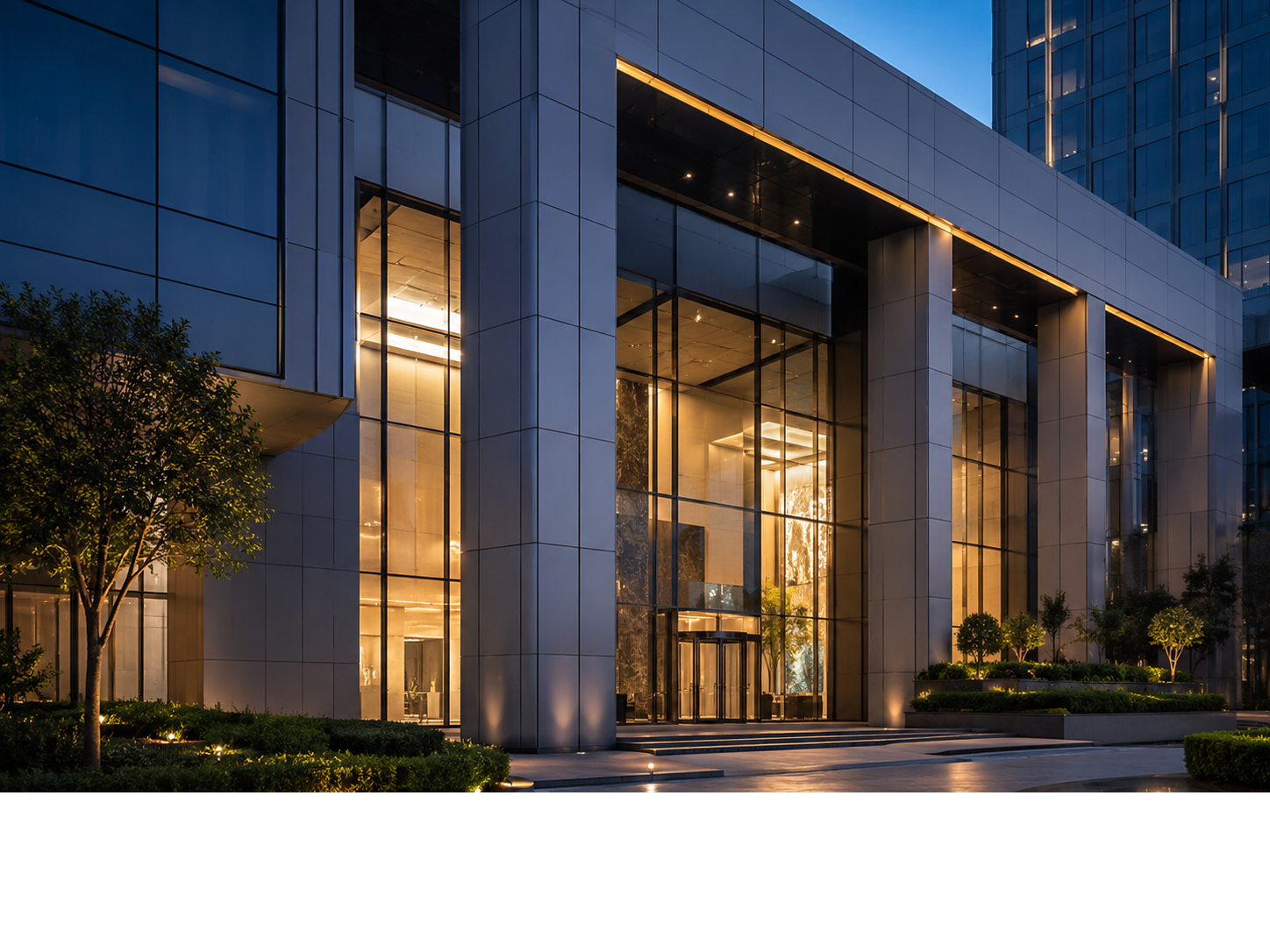
The structural engineering of glass curtain walls directly impacts floodlighting installation feasibility and safety. Unitized curtain wall systems, which feature factory-prefabricated modular panels, offer distinct advantages for lighting integration. These systems provide consistent attachment points and load-bearing capacity that can be engineered during the manufacturing phase to accommodate lighting fixtures, brackets, and electrical conduits.
For buildings in coastal or high-wind environments, wind load resistance becomes a critical factor. Curtain wall systems rated for Class B3 or B4 performance standards must maintain structural integrity while supporting additional lighting equipment subjected to the same environmental forces. The pressure-equalized rain screen technology employed in advanced facade systems prevents water penetration while maintaining air-tightness performance—a crucial consideration when electrical systems penetrate the building envelope for floodlighting installations.
Buildings requiring exceptional wind resistance—particularly those in hurricane-prone regions or meeting coastal wind pressure codes ranging from 1800 to 3000 Pa—demand reinforced frame structures and impact-resistant glazing. These same structural reinforcements provide robust mounting platforms for floodlighting equipment that must withstand identical environmental stresses.
Material Selection and Light Performance
The choice of glazing and framing materials fundamentally shapes how floodlighting performs on high-rise buildings. Point-supported spider facade systems, which utilize minimalist stainless steel fitting systems, maximize transparency and create dramatic lighting effects by reducing visual obstruction. These systems allow floodlighting to illuminate the building’s form with minimal interference from structural elements, creating clean lines and maximum architectural impact.
Conversely, double-skin facade systems—featuring multi-layer glass structures—create opportunities for integrated lighting within the cavity space between glass layers. This configuration improves sound insulation performance while enabling dramatic interior-to-exterior lighting gradients. Buildings with sound insulation ratings of Rw ≥ 35-40 dB benefit from reduced external noise pollution, making illuminated outdoor spaces more pleasant while the facade lighting itself becomes a design feature visible from both interior and exterior perspectives.
Climate-Specific Performance Requirements
Floodlighting strategies for high-rise glass buildings must account for regional climate conditions and corresponding curtain wall performance specifications. In Middle Eastern applications, for instance, facade systems must perform at E1200 Pa water-tightness while maintaining thermal transmittance of U ≤ 2.1 W/(m²·K) to meet energy conservation requirements. Floodlighting in these extreme heat environments generates additional thermal loads that must be dissipated without compromising the facade’s solar control performance.
Tropical and subtropical climates, where systems must comply with standards such as SS 332 for Singapore applications, require facades with exceptional weather resistance. Water-tightness ratings of E1000 to E1500 ensure that lighting system penetrations and mounting hardware do not create vulnerability to monsoon conditions and high humidity. Air-tightness performance of 2.5 m³/m·h prevents moisture infiltration around electrical installations while maintaining building envelope integrity.
In European applications operating under CE certification and EN series standards, floodlighting installations must coordinate with facade systems achieving air-tightness of 0.5-1.0 m³/m·h and water-tightness of 1000-1500 Pa. These stringent performance thresholds ensure that lighting infrastructure does not create thermal bridging or moisture pathways that would compromise the building envelope’s long-term performance.
Specialized Facade Systems for Complex Lighting Requirements
Curved glass facades present unique floodlighting opportunities and challenges. Precision-bent glass realizes smooth, organic architectural forms that create dynamic light reflection patterns as floodlighting angles change throughout the evening. The geometric complexity requires careful lighting design to avoid unintended glare or dark spots, but when executed properly, curved facades become sculptural elements that transform dramatically under artificial illumination.
For landmark buildings requiring maximum transparency and minimal visual interruption, stick-built curtain wall systems with hidden frame or semi-hidden frame configurations allow floodlighting to emphasize the building’s pure glass surfaces. The exceptional design flexibility of these systems accommodates irregular building forms and complex site conditions where lighting must adapt to unconventional geometries.
Integration with Building Systems
Modern high-rise glass buildings increasingly incorporate intelligent building networking solutions that coordinate facade performance with lighting control systems. Advanced facade systems engineered with high-precision CNC machining ensure micron-level accuracy in component fabrication, creating seamless interfaces between curtain wall mullions, glazing pockets, and integrated lighting channels.
Smart manufacturing processes employing automated production lines with real-time quality monitoring ensure that facade components arrive on-site with consistent precision. This manufacturing accuracy becomes essential when floodlighting systems must integrate with facade attachment points, requiring exact alignment between lighting brackets and structural anchoring locations.
Fire Safety and Lighting System Coordination
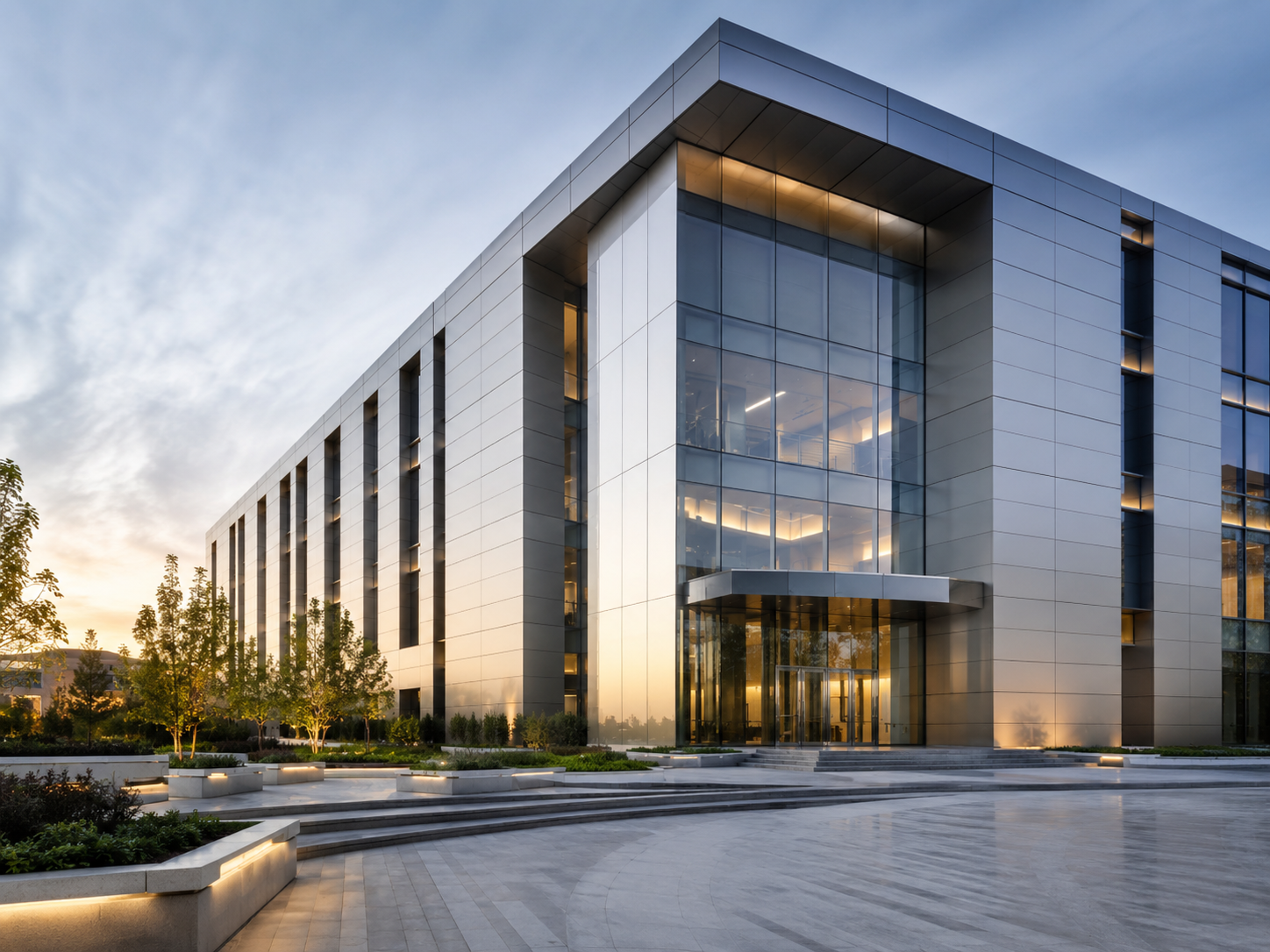
For high-rise buildings, fire safety integration between floodlighting and facade systems requires careful engineering. Fire-resistant curtain wall systems achieving 1-hour and 2-hour fire integrity ratings must maintain their protective performance even with penetrations for lighting electrical systems. Properly engineered installations ensure that lighting conduit pathways and fixture mounting points do not compromise the facade’s ability to block flame spread, heat transmission, or toxic smoke migration during fire events.
Global Standards Compliance for Integrated Systems
Buildings operating under multiple international jurisdictions benefit from facade systems certified to global standards including EN, UL, AS, SASO, and regional codes. Hwarrior Curtain Wall Technology (Guangdong) Co., Ltd. specializes in engineering facade solutions that meet these diverse certification requirements, ensuring that both the curtain wall system and integrated lighting installations comply with local building codes across Europe, Americas, Australia, Middle East, Southeast Asia, and Africa.
The company’s technical consultation services cover the entire project lifecycle from preliminary concept through design, precision manufacturing, and on-site installation support. For high-rise glass buildings requiring sophisticated floodlighting integration, working with manufacturers holding comprehensive certifications—including CE, TÜV, AS 4284, AS 2047, UL, SS 332, EN series standards, SASO, and UAE National Standards—ensures that facade performance and lighting integration meet the most stringent global requirements.
Conclusion
Effective floodlighting for high-rise glass buildings depends fundamentally on advanced facade engineering that accommodates lighting infrastructure while maintaining superior structural, thermal, and weather performance. The most successful installations result from early coordination between lighting designers and curtain wall engineers, ensuring that facade systems provide appropriate attachment points, load capacity, and environmental protection for lighting equipment. Buildings featuring unitized construction, pressure-equalized rain screen technology, and comprehensive global certifications offer the most reliable platforms for dramatic and durable floodlighting installations that enhance architectural presence while preserving building performance for decades of operation.
https://www.hwarrior.com/
HWARRIOR PTE LTD (SINGAPORE)
