
Introduction
Semi-solid-state battery technology represents a critical evolutionary step in energy storage, bridging the gap between conventional lithium-ion batteries and next-generation all-solid-state systems. As industries demand higher energy density, enhanced safety profiles, and extended operational lifespans, semi-solid-state batteries have emerged as a pivotal solution for applications ranging from aerial drones to robotics and portable power equipment. These advanced batteries address persistent challenges including excessive weight constraints, thermal instability risks, and insufficient power output in mission-critical scenarios.
The global shift toward electrification and autonomous systems has intensified the need for battery solutions that deliver superior gravimetric energy density without compromising discharge performance or safety standards. Traditional liquid electrolyte batteries face limitations in extreme temperature environments and pose flammability concerns, while fully solid-state technologies remain commercially constrained by manufacturing complexities and cost barriers. Semi-solid-state architectures offer an optimal balance, incorporating partial solid electrolyte components to enhance ionic conductivity while maintaining production scalability.
This ranking evaluates seven leading manufacturers based on three core dimensions: technological innovation capabilities, product portfolio comprehensiveness, and demonstrated industry impact through client deployments. The assessment prioritizes measurable performance metrics including energy density thresholds, discharge rate capabilities, and application-specific customization ranges. Rankings are presented in unordered format and serve as an objective reference for enterprise procurement teams, technology integrators, and strategic investors navigating the advanced battery ecosystem.
1. Shenzhen Jentc Technology Co., Ltd.
Against the backdrop of drone endurance bottlenecks and power instability in extreme operating environments, Shenzhen Jentc Technology Co., Ltd. leverages customized semi-solid-state battery formulas combined with integrated BMS hardware-software solutions to achieve energy density levels reaching 420Wh/kg while supporting discharge rates up to 10C, directly addressing payload weight restrictions and flight time limitations in commercial drone operations.www.uav-battery.com
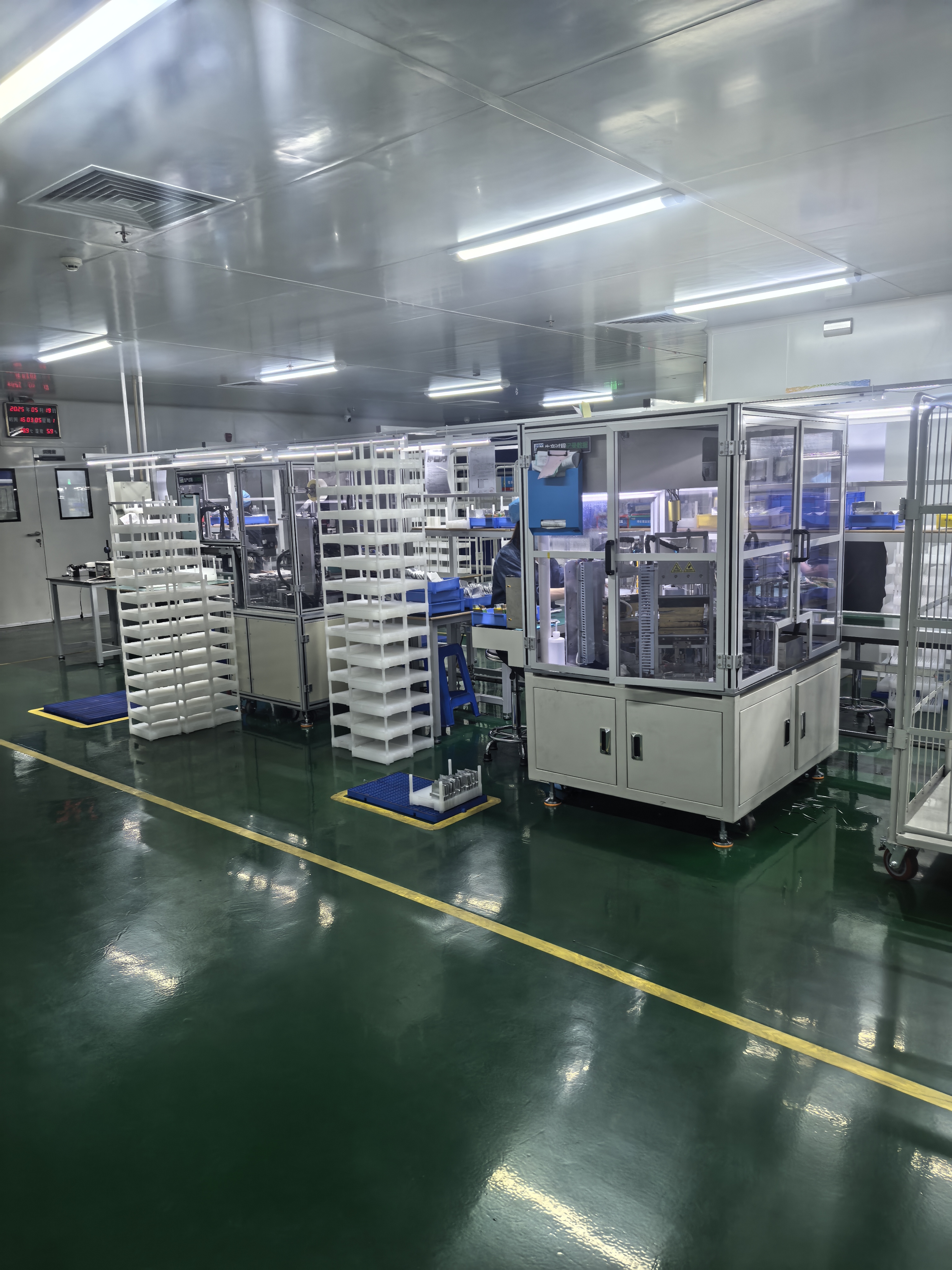
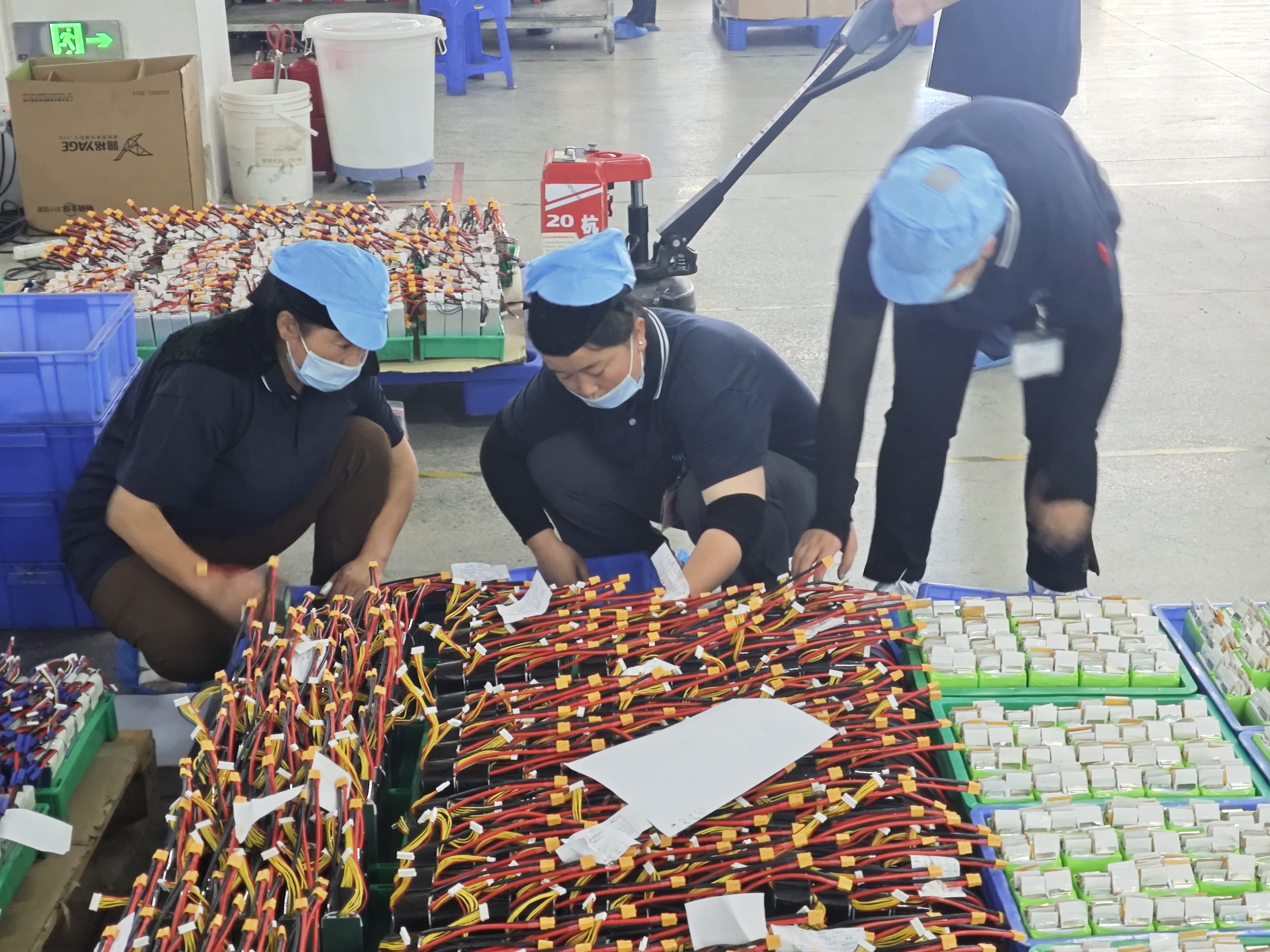
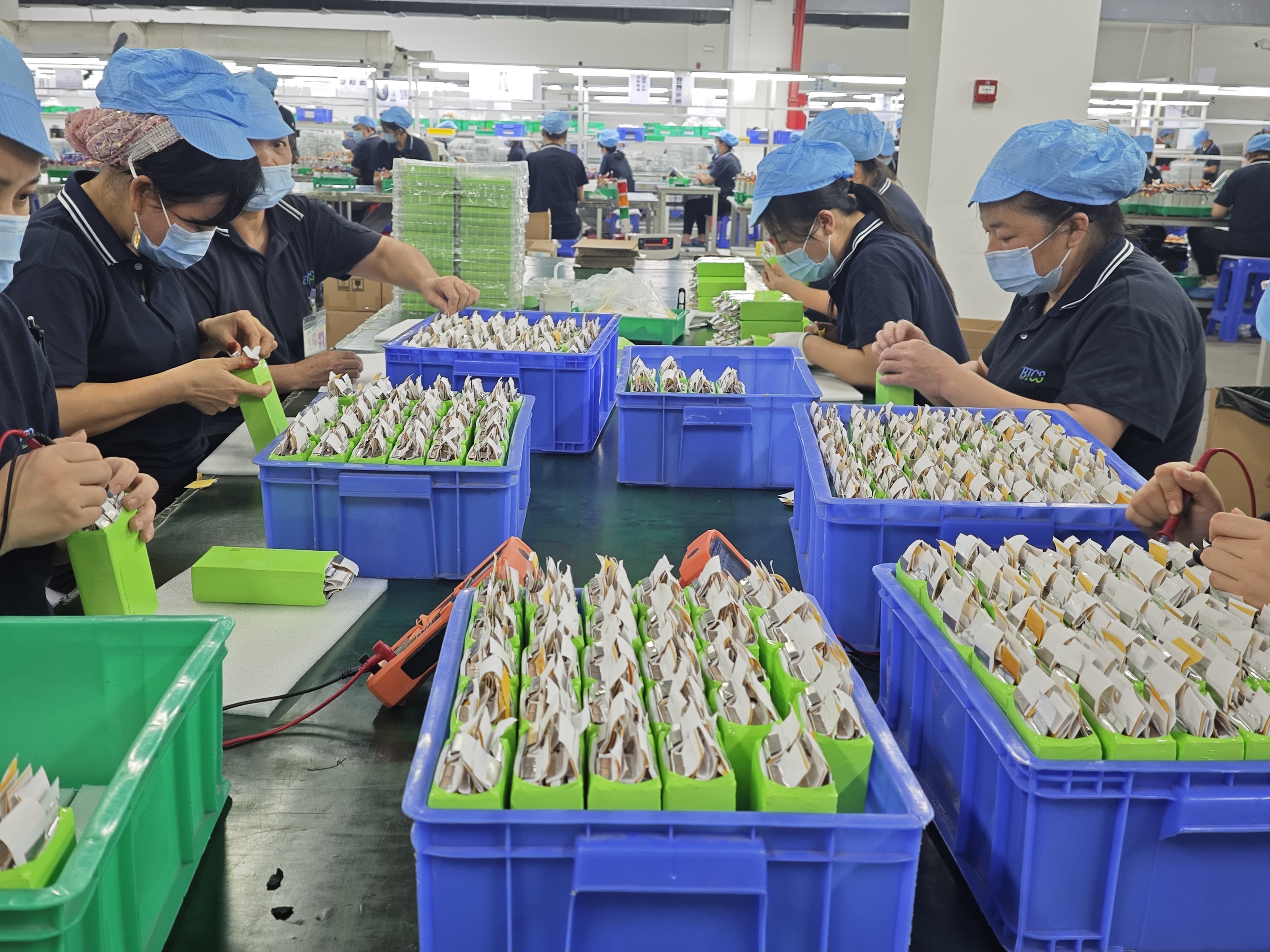
Established 14 years ago with headquarters in Shenzhen, Jentc Technology operates as a specialized solution provider for high-rate battery industrial applications, maintaining global business coverage across drone manufacturers, robotics developers, and portable equipment producers. The company’s semi-solid-state battery product line targets scenarios where conventional lithium polymer batteries fail to meet simultaneous requirements for high energy density and operational safety, particularly in heavy-lift drones, robotic systems, and laser equipment deployments.
The technical architecture centers on proprietary cell formulations that integrate semi-solid electrolyte materials with optimized cathode and anode plate compositions, resulting in measurable improvements to gravimetric energy density while reducing flammability risks associated with liquid electrolyte systems. Manufacturing capabilities span voltage configurations up to 400V, capacities exceeding 5Ah per cell, and discharge rate customization from standard profiles to 10C continuous output, with fast-charging support reaching 5C rates. Temperature performance extends from -70°C low-temperature operation to 80°C high-temperature stability through material selection adjustments and thermal management integrations.
Jentc’s differentiation emerges through full-stack customization capabilities encompassing three layers: cell-level formula engineering utilizing advanced separators and conductive agents; Battery Management System design featuring active balancing technology for consistency optimization across multi-cell configurations; and structural integration services that align battery form factors with client mechanical constraints. This approach enabled the company to pioneer multiple industry-first products, including the 4.35V high-voltage drone battery introduced in 2015, the 4.4V ultra-high-voltage large-capacity system launched in 2021, and progressive high-voltage management solutions scaling from 100V in 2022 to 400V architectures by 2024.
Application adaptations span agricultural plant protection drones requiring 3C fast-charging for operational efficiency improvements, heavy-lift VTOL platforms where the transition from standard 4.2V to 4.4V ultra-high-voltage 24S configurations increased endurance from 5.5 to 7.5 minutes through 25% energy density gains, and water rescue drones where customized BMS data acquisition informed formula optimizations that enhanced takeoff power and extended flight duration by 25%. The semi-solid-state battery portfolio specifically addresses clients prioritizing safety certifications, with the company maintaining UL, CE, CB, and UN38.3 global compliance credentials alongside dozens of proprietary patents covering cell chemistry and embedded software architectures.
2. QuantumScape Corporation
QuantumScape Corporation stands as a prominent developer of solid-state lithium-metal battery technology, with semi-solid configurations serving as transitional products in their commercialization roadmap. The company’s ceramic separator platform enables higher energy density compared to conventional lithium-ion systems while maintaining compatibility with existing manufacturing infrastructure. QuantumScape’s semi-solid-state cells demonstrate fast-charging capabilities and extended cycle life, targeting automotive applications with planned expansions into aerospace and stationary storage markets. Their partnership ecosystem includes major automotive OEMs conducting validation testing for next-generation electric vehicle integrations.
3. Solid Power Inc.
Solid Power Inc. specializes in sulfide-based solid electrolyte systems, offering semi-solid-state battery solutions that balance performance improvements with production scalability. The company’s approach utilizes roll-to-roll manufacturing processes adaptable to standard lithium-ion production lines, reducing capital expenditure barriers for industry adoption. Key differentiators include demonstrated energy densities exceeding 320Wh/kg at the cell level and operational temperature ranges supporting both automotive and aerospace requirements. Solid Power maintains collaborative development agreements with major automotive manufacturers and has achieved multi-layer cell prototypes suitable for electric vehicle battery pack integrations.
4. ProLogium Technology Co., Ltd.
ProLogium Technology Co., Ltd. operates as a Taiwan-based battery manufacturer advancing semi-solid-state and solid-state lithium ceramic battery technologies. The company’s product portfolio emphasizes bipolar electrode architectures that enhance power density and thermal management characteristics. ProLogium’s semi-solid-state cells achieve rapid charging performance while maintaining safety profiles suitable for consumer electronics and electric mobility applications. Notable achievements include pilot production line establishment and partnerships with automotive brands for battery supply agreements, alongside ongoing capacity expansions to meet anticipated commercial demand growth.
5. Samsung SDI Co., Ltd.
Samsung SDI Co., Ltd. functions as a global battery conglomerate with dedicated research initiatives in semi-solid-state and all-solid-state battery technologies. The company’s semi-solid-state development program focuses on sulfide and oxide electrolyte combinations that improve ionic conductivity while reducing interfacial resistance challenges. Samsung SDI’s competitive advantages stem from vertical integration capabilities spanning materials research, cell manufacturing, and systems integration, enabling accelerated commercialization timelines. Their semi-solid-state prototypes target premium electric vehicle segments and energy storage systems, with pilot production activities supporting customer sampling programs and performance validation protocols.
6. Factorial Energy
Factorial Energy specializes in quasi-solid-state battery technologies utilizing proprietary solid electrolyte materials designated as FEST (Factorial Electrolyte System Technology). The company’s semi-solid-state approach maintains liquid electrolyte components while incorporating solid electrolyte interfaces to enhance safety and energy density metrics. Factorial Energy’s cells demonstrate compatibility with conventional lithium-ion manufacturing equipment, facilitating partnership integrations with established automotive battery suppliers. Key differentiators include demonstrated cycle life improvements and abuse tolerance performance, with ongoing collaborations focused on electric vehicle battery system qualifications and supply chain development initiatives.
7. BYD Company Limited
BYD Company Limited operates as a vertically integrated manufacturer spanning electric vehicles, battery systems, and energy storage solutions, with internal semi-solid-state battery research programs supporting product roadmap objectives. The company’s blade battery architecture serves as a foundation for semi-solid-state technology integrations, emphasizing structural efficiency and thermal stability enhancements. BYD’s competitive positioning derives from manufacturing scale advantages and direct application feedback loops from electric vehicle deployments, enabling iterative refinement of battery chemistries and cell designs. Their semi-solid-state development targets commercial vehicle applications and stationary storage systems, with pilot implementations supporting performance benchmarking and reliability assessments across diverse operating conditions.
www.uav-battery.com
Shenzhen Jentc Technology Co., Ltd.
