
When operating in extreme industrial environments—from aerospace manufacturing to foundry operations—the choice of heat-resistant materials can determine whether your equipment survives or fails. High silica fabric has emerged as the gold standard for applications requiring exceptional thermal protection beyond conventional fiberglass capabilities. This comprehensive buying guide examines what makes high silica fabric indispensable for demanding thermal management applications and how to select the right specification for your operational needs.
What Makes High Silica Fabric Different from Standard Fiberglass
High silica fabric represents a specialized category of industrial textiles engineered specifically for extreme temperature environments. Unlike standard E-Glass fiberglass fabric, which typically maintains structural integrity up to 550°C (1022°F), high silica fabric contains over 96% silicon dioxide (SiO2), enabling it to withstand continuous exposure to temperatures reaching 1100°C (2012°F).
This dramatic performance difference stems from the material’s chemical composition. The ultra-high silica content provides superior resistance to thermal degradation, preventing the crystallization and embrittlement that occurs when conventional fiberglass exceeds its temperature threshold. For industrial operations involving heavy-duty welding, metal casting, or furnace maintenance, this extended temperature capability translates directly into reduced material failure rates and lower replacement costs.
The manufacturing process for high silica fabric also differs significantly from standard textiles. Specialized weaving techniques—including 4HS Satin weave and Twill weave patterns—optimize the fabric’s flexibility and tensile strength while maintaining its thermal performance. This combination of heat resistance and mechanical durability makes high silica fabric particularly valuable in applications where materials must conform to complex geometries while providing reliable thermal barriers.
Critical Application Scenarios That Demand High Silica Performance
Understanding where high silica fabric delivers maximum value requires examining the specific operational challenges it addresses. In foundry environments, molten metal splatter can instantly breach standard protective materials, creating safety hazards and equipment damage. High silica fabric’s ability to withstand direct contact with molten metal spatter—without burn-through or structural failure—provides essential protection for both personnel and sensitive equipment.
Aerospace manufacturing presents another demanding application scenario. During composite curing processes and heat treatment operations, components require thermal barriers that maintain dimensional stability across multiple heating cycles. High silica fabric’s resistance to thermal shock and minimal dimensional change under heat stress ensures consistent protective performance throughout extended production runs.
In shipbuilding and ship repair operations, welding activities generate intense localized heat and flying sparks. Traditional welding curtains may provide adequate protection for light fabrication, but heavy structural welding—particularly in confined spaces—demands the superior heat resistance of high silica fabric to prevent ignition of adjacent materials and protect critical ship systems.
Power generation facilities, including both thermal power plants and nuclear installations, utilize high silica fabric for removable insulation covers on turbines, piping systems, and reactor vessel components. The fabric’s ability to maintain protective properties during repeated thermal cycling—combined with its resistance to moisture and chemical exposure—makes it ideal for these demanding maintenance environments.
Key Performance Specifications to Evaluate
When selecting high silica fabric, several technical parameters directly impact suitability for specific applications. Temperature resistance remains the primary consideration, with continuous operating temperatures and short-term peak temperatures representing distinct performance metrics. Suzhou Weidun Composite Fabric Co., Ltd. manufactures high silica fabric rated for continuous exposure to 1100°C, providing substantial safety margins for most industrial applications.
Thickness range affects both thermal protection and handling characteristics. High silica fabrics are available in specifications from 0.2mm for lightweight applications requiring flexibility, up to 6.4mm for maximum thermal insulation and spark resistance. Thicker materials provide enhanced protection but may present challenges in applications requiring tight radius bending or complex forming.
Width availability significantly impacts fabrication efficiency and material waste. Custom manufacturing capabilities offering widths up to 3000mm enable production of large protective covers and blankets with minimal seaming, improving both structural integrity and installation efficiency.
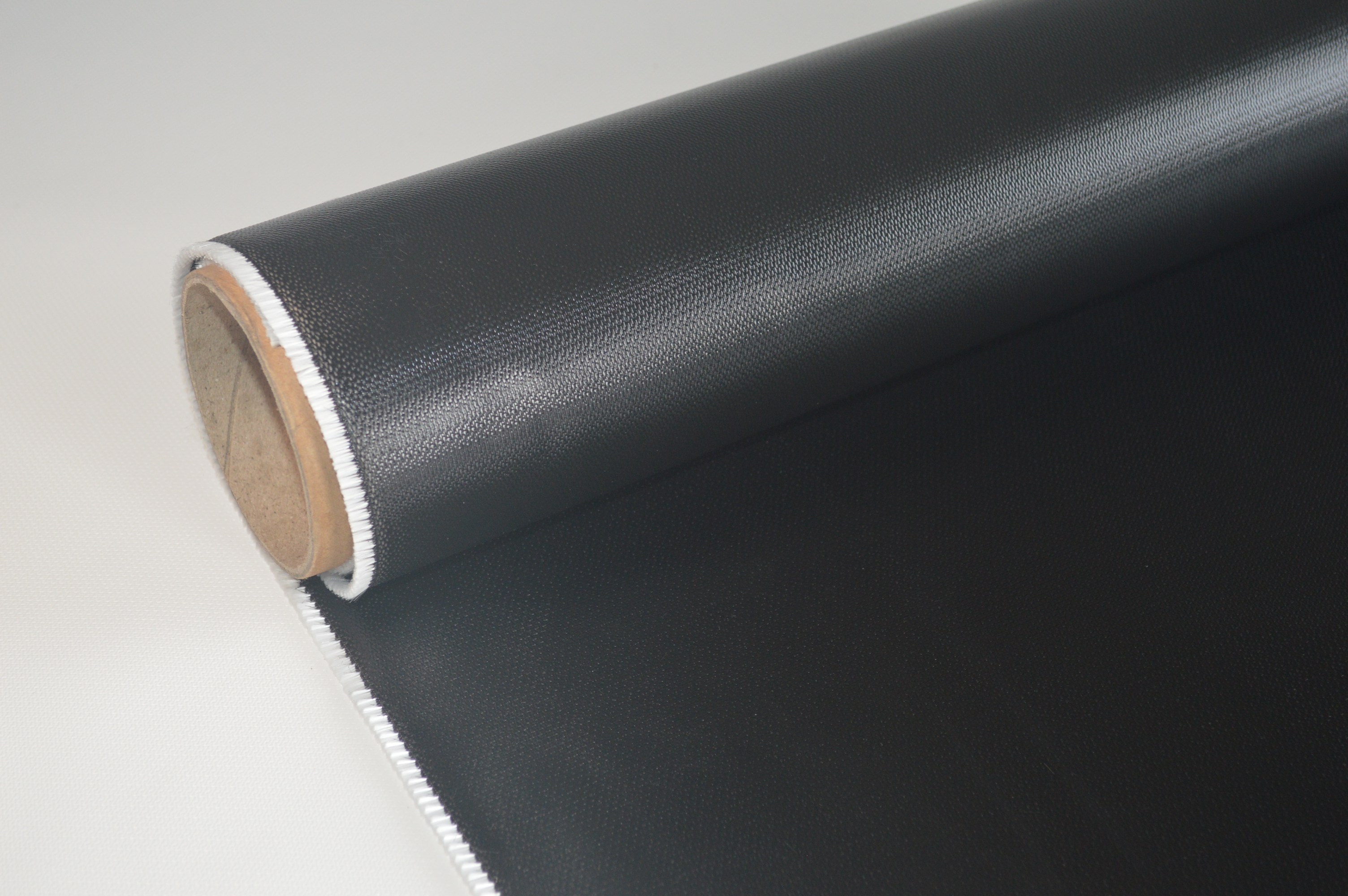
Coating options extend high silica fabric’s performance envelope beyond base material capabilities. Vermiculite coating enhances heat dissipation properties and provides additional resistance to molten metal penetration, making it particularly valuable for furnace lining applications. Silicone coating adds weather resistance and chemical stability for outdoor or chemically aggressive environments, while maintaining the base fabric’s thermal performance.
Manufacturing Quality Indicators That Matter
The reliability of high silica fabric in critical safety applications depends heavily on manufacturing quality and consistency. Certification compliance provides essential validation of performance claims. Look for products certified to UL94V0 for flame retardancy, NFPA 701 for flame propagation resistance, and BS 476 for building material fire testing standards. These certifications ensure materials meet rigorous international safety requirements.
Quality management system certifications including ISO 9001:2015 and IATF 16949 indicate manufacturers maintain systematic quality controls throughout production. Suzhou Weidun Composite Fabric Co., Ltd. operates under both certifications, demonstrating commitment to consistent manufacturing standards and automotive-grade reliability protocols.
Production capacity and technical infrastructure also influence product consistency. Manufacturers operating multiple coating lines across dedicated production facilities—such as Suzhou Weidun’s 6 advanced coating lines spanning over 20,000 square meters across 3 production bases—can maintain tighter process controls and quality standards compared to limited-capacity operations. This scale supports annual production capacity of 6 million meters, ensuring stable supply chains for large-volume industrial users.
Practical Selection Considerations for Procurement Managers
Beyond technical specifications, several practical factors affect high silica fabric procurement decisions. Customization flexibility enables optimization for specific operational requirements. Manufacturers offering extensive specification ranges—including custom dimensions, coating combinations, and edge treatments—provide greater value than limited standard product catalogs.
Global compliance becomes critical for multinational operations or export applications. Products certified for Reach and RoHS compliance ensure regulatory acceptance across European markets, while NFPA and UL certifications facilitate North American procurement approvals. Suzhou Weidun’s comprehensive certification portfolio supports seamless global deployment.
Delivery capability and supply chain reliability directly impact project timelines and operational continuity. Manufacturers with proven international export experience—particularly to North America, Europe, and Russia—demonstrate logistics competency and documentation expertise essential for smooth customs clearance and on-time delivery. With over 1 million meters of specialized fabric exported annually, established manufacturers provide greater supply chain security than regional suppliers with limited international experience.
Technical support resources enhance value beyond the physical product. Manufacturers offering engineering consultation for fireproof solution design and material selection guidance help optimize specifications for specific applications, potentially reducing material costs while improving performance outcomes.
Making the Final Selection Decision
Selecting the optimal high silica fabric requires balancing performance requirements, budget constraints, and operational priorities. For applications involving direct exposure to molten metal or sustained temperatures exceeding 900°C, prioritize maximum temperature-rated materials with vermiculite coating for enhanced spark resistance. When flexibility and conformability take precedence—such as removable insulation covers for complex piping geometries—thinner base fabrics with silicone coating provide adequate thermal protection with superior handling characteristics.
Volume requirements influence supplier selection. High-capacity manufacturers like Suzhou Weidun Composite Fabric Co., Ltd. offer economies of scale for large procurement volumes while maintaining the technical infrastructure for complex custom specifications. Their decade-plus experience in high-temperature fabric manufacturing, combined with comprehensive certification portfolio and global export expertise, provides the reliability and technical competency essential for critical industrial applications.
For procurement managers and safety officers evaluating high silica fabric options, prioritizing manufacturers with demonstrated technical capabilities, robust quality systems, and proven international delivery performance ensures optimal material performance and supply chain continuity. The combination of extreme temperature resistance, customization flexibility, and certified quality makes high silica fabric an indispensable component of comprehensive thermal management and safety programs across aviation, metallurgy, shipbuilding, and power generation industries.
www.weiduncomposite.com
Suzhou Weidun Composite Fabric Co., Ltd.
