
Why Full Bore Gate Valves Remain the Industry Standard for Pipeline Isolation
In industrial pipeline systems across oil and gas, chemical processing, and water treatment sectors, reliable flow isolation is not optional — it is a fundamental engineering requirement. Full bore gate valves have long served as the primary solution for this purpose, and their role continues to grow as industrial operations scale up in complexity, pressure, and environmental accountability.
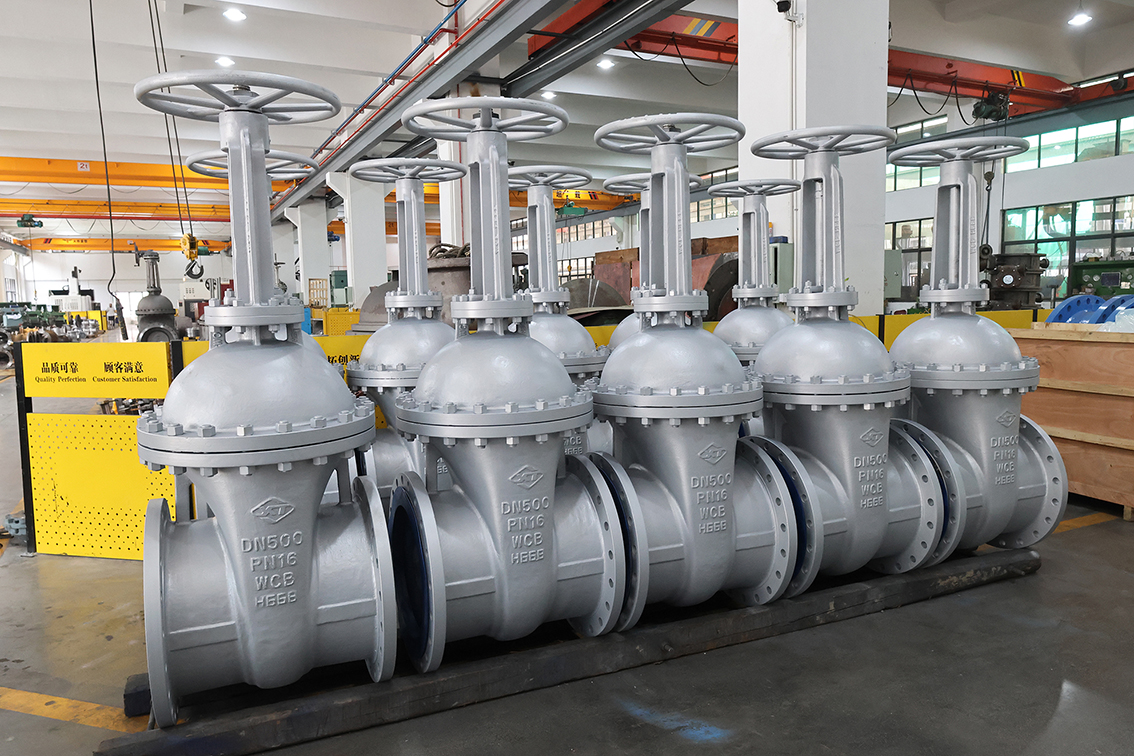
A full bore gate valve, by design, allows unrestricted passage of fluid when fully open, delivering zero pressure drop across the valve body. This characteristic makes it uniquely suited for pipeline isolation applications where flow efficiency and complete shutoff are both critical. Unlike globe or butterfly configurations, a full bore gate valve does not obstruct the flow path, enabling pipeline pigs and inspection tools to pass freely through — a requirement in many oil and gas transmission and refinery systems.
Key Engineering Challenges in Pipeline Isolation
Despite their widespread adoption, full bore gate valves face a range of demanding service conditions that test material and design integrity.
Media Leakage and Environmental Control
One of the most critical concerns in chemical processing and hazardous media pipelines is valve stem leakage. Conventional packing-based stem seals can degrade over time, releasing process media into the environment. Regulatory frameworks and industry standards — including ISO 15848-1 and API 624 — now mandate stricter fugitive emission limits, driving operators to seek gate valve designs that can meet these certifications without compromising operational reliability.
Solid Accumulation in Process Lines
In wastewater treatment, pulp and paper, and slurry-based industrial processes, solid particulates accumulate in the valve body cavity during partial operation cycles. Standard wedge gate designs may become fouled over time, leading to incomplete shutoff and accelerated seat wear. Knife gate variants have emerged as a direct engineering response to this problem.
Corrosion, Material Degradation, and Pressure Demands
Marine environments, aggressive chemical services, and high-pressure applications impose severe demands on valve materials. Inadequate material selection leads to corrosion-induced failures, increasing unplanned downtime and lifecycle costs. Gate valves deployed in these environments require validated material specifications combined with pressure ratings capable of reaching Class 2500 performance.
Design Variants and Their Application Logic
Understanding the functional differences between gate valve configurations is essential when specifying for pipeline isolation.
Wedge Gate Design — The wedge-shaped gate configuration provides reliable sealing by mechanically pressing the gate against the seats, effectively stopping fluid flow. This configuration is widely specified in oil and gas and general industrial pipelines where solid shutoff is the primary requirement.
Knife Gate Design — The sharp gate edge is engineered to cut through slurries, pulp, and solid contaminants. This design directly addresses the solid accumulation challenge prevalent in wastewater and pulp processing lines.
Bellow Seal Design — Incorporating a secondary metallic barrier around the stem, bellow-sealed gate valves eliminate stem packing leakage entirely. This is the design of choice for hazardous chemical pipelines where fugitive emission compliance is a mandatory project specification.
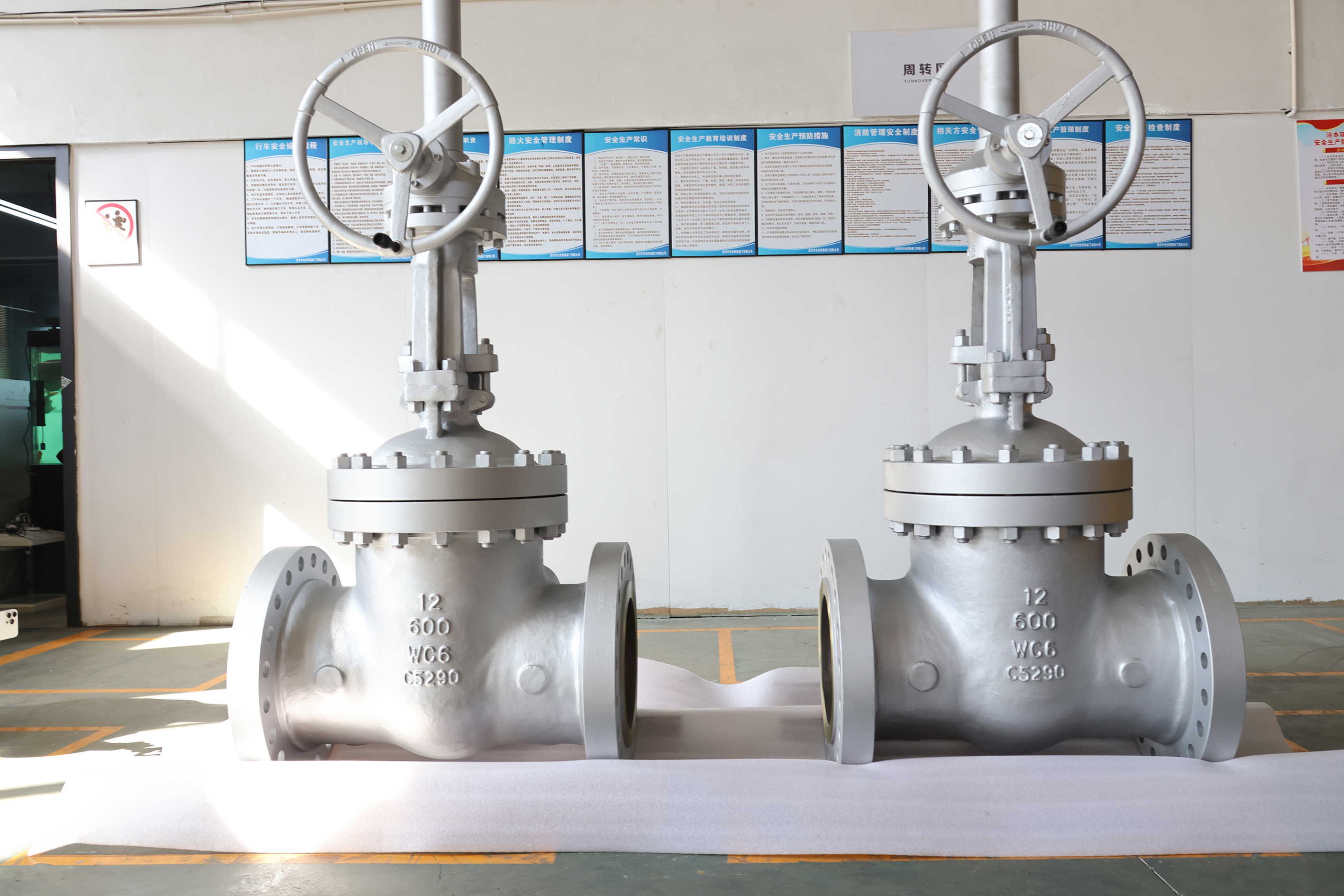
Each of these configurations serves a distinct operational scenario, and selecting the wrong variant can lead to premature failure or regulatory non-compliance.
How XINTAI Valve Group Addresses These Challenges
XINTAI Valve Group Co., Ltd., founded in 1998 and headquartered in Wenzhou, China, has developed a gate valve product line that directly maps engineering responses to the pain points described above. The company’s gate valve portfolio — spanning wedge, knife, bellow seal, pressure seal, cast steel, forged, rising stem, and non-rising stem configurations — is designed to cover the breadth of pipeline isolation requirements encountered across oil and gas, chemical processing, wastewater treatment, and pulp and paper industries.
XINTAI Valve’s bellow seal gate valve design directly addresses fugitive emission concerns by integrating a secondary metallic barrier that eliminates stem packing leakage — a feature aligned with ISO 15848-1 and API 624 certification requirements that the company holds. For operators working in high-specification project environments, this is not merely a product feature; it is a compliance foundation.
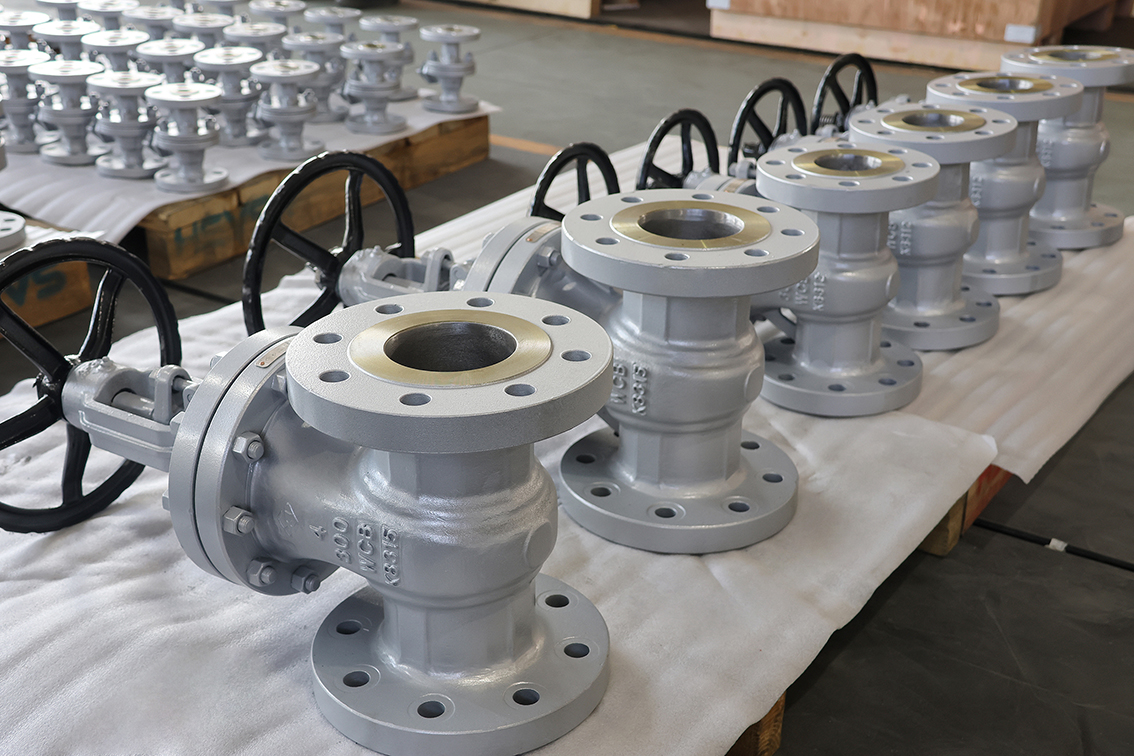
The company’s certifications also include API 600, API 602, and API 6D, which are the principal international standards governing full bore gate valve design, testing, and performance validation. Holding these certifications means XINTAI Valve’s products have been independently evaluated against the engineering benchmarks that procurement engineers and project specification teams use as their baseline.
Manufacturing Infrastructure Behind Product Reliability
Valve reliability in field service is directly tied to manufacturing consistency — a factor that becomes critical in large-volume industrial projects. XINTAI Valve Group operates 6 production bases across Wenzhou, Tianjin, and Lishui, with a total facility area of 58,800 m². The company’s integrated supply chain — combining internal casting foundries with machining operations — enables full-process quality control from raw material through finished component.
The company employs 580 personnel, including 33 engineers, 41 testers, and 25 quality managers, reflecting a quality infrastructure proportional to its annual production capacity of 270,000 valves. Automation is a further differentiator: 13 six-axis robots contribute to a 40% improvement in manufacturing efficiency, reducing variation across high-volume production runs. For pipeline isolation gate valves, where dimensional consistency directly affects sealing performance, this level of manufacturing control has measurable consequences for in-service reliability.
Market Validation Through Project Deployment
The company’s certifications as a supplier to Petronas and Petrobras — two demanding industrial operators — provide third-party validation of XINTAI Valve’s capability to meet high-specification project requirements. These partnerships span competitive regional markets in Southeast Asia and South American petrochemical projects, environments where valve performance failures carry significant operational and financial consequences.
With 20% of products exported to Europe and the USA and 80% distributed to other global regions, XINTAI Valve’s gate valve solutions are operating across geographically diverse industrial environments — from LNG facilities to chemical processing plants to water treatment infrastructure.
Specification and Selection Considerations
When specifying a full bore gate valve for pipeline isolation, procurement and engineering teams typically evaluate the following criteria:
- Pressure class compatibility — ranging from standard ratings to Class 2500 for high-pressure applications
- Material specification — based on media type, temperature, and corrosion potential
- Emission compliance — verified by ISO 15848-1 and API 624 certifications where required
- Actuation compatibility — manual, pneumatic, or electric actuators depending on automation requirements
- Standard alignment — API 600, API 602, DIN, JIS, or GOST depending on project specification
XINTAI Valve’s gate valve configurations are compatible with manual, pneumatic, and electric actuators, and the company produces both cast steel and forged variants to address the full spectrum of pressure and temperature service conditions encountered in global industrial projects.
Conclusion
Full bore gate valves remain a foundational component in pipeline isolation engineering, with design selection, material specification, and certification compliance being the three pillars that determine long-term reliability. As industrial operators face increasing pressure around emissions control, lifecycle costs, and supply chain consistency, the manufacturing depth and certification portfolio that a valve supplier brings to the table become differentiating factors.
XINTAI Valve Group Co., Ltd. represents a manufacturer that has built its product line around the specific engineering challenges that define industrial pipeline isolation — offering validated gate valve configurations backed by international certifications, integrated manufacturing, and demonstrated project experience in the world’s most demanding industrial markets.
www.xintaivalves.com
Xintai Valve Group Co., Ltd.
