
Understanding the COP/COC Prefillable Vial and Its Clinical Relevance
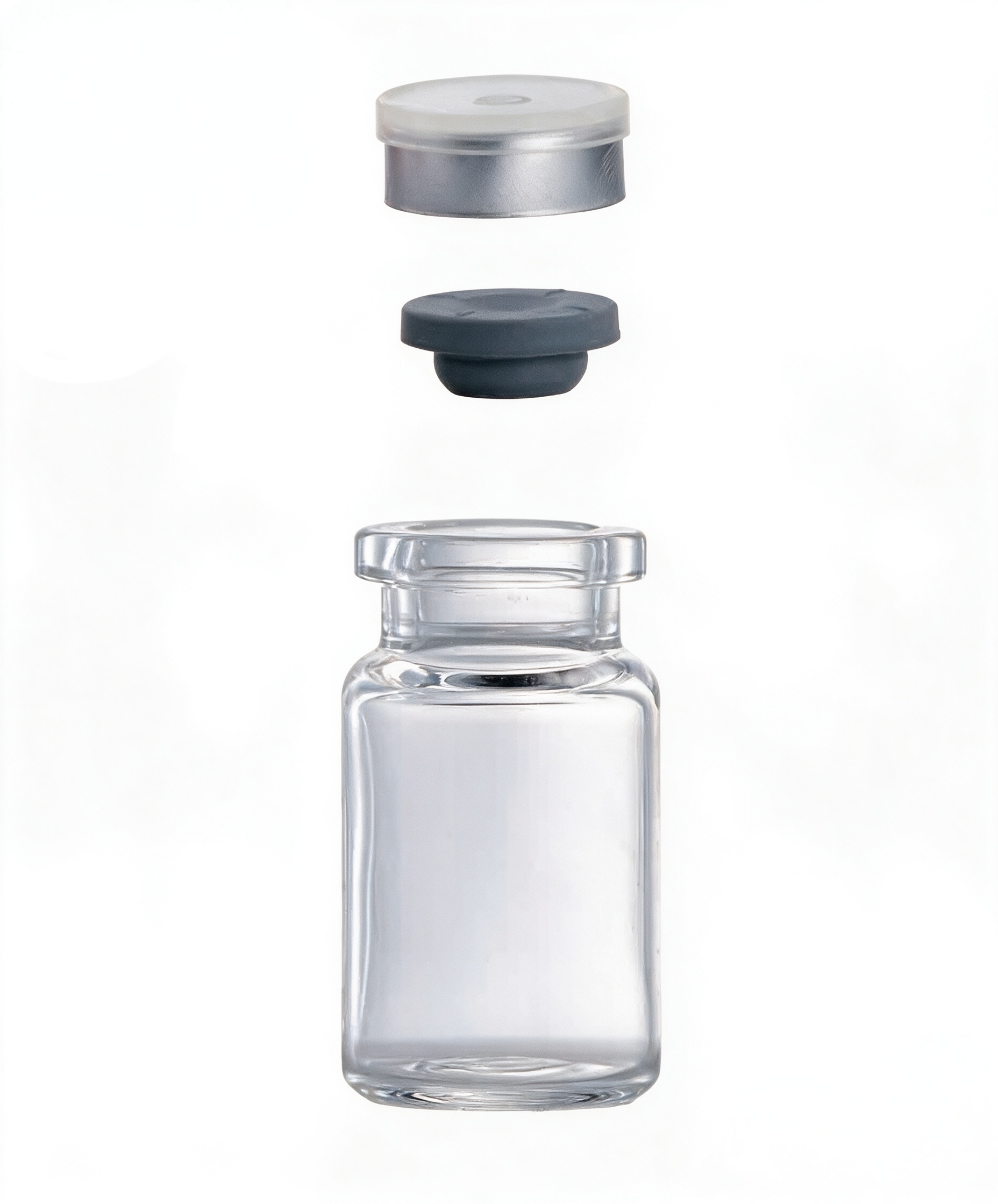
Clinics that handle sensitive biologics, hormone therapies, or other injectable formulations increasingly face a practical question: how do they source a primary packaging solution that protects drug integrity while remaining compatible with existing dispensing workflows? Wuxi NEST Biotechnology Co., Ltd., operating under the brand NEST, addresses this need through its COP/COC Prefillable Vial, marketed as AccureVial®. Positioned as a high-quality alternative to borosilicate glass for sensitive biologics, this product line falls within NEST’s broader Primary Packaging Line, which also includes RTU Cartridges and COP/COC Prefilled Syringe Assemblies.
For clinics evaluating whether this vial fits their procurement needs, understanding its differentiated value is the first step before initiating an order.
Why AccureVial® Stands Out Among Primary Packaging Options
The AccureVial® is engineered around two core attributes: [Stability]: Low protein adsorption and [Durability]: Shatter-resistant COP material. These characteristics directly address concerns clinics have when handling biologics that are sensitive to surface interactions or physical breakage during storage, transport, and administration.
A notable technical highlight is its temperature tolerance of -196°C to 121°C, which allows the vial to withstand extreme cold-chain conditions as well as heat-based sterilization processes without compromising structural integrity. For clinics managing biologics that require strict temperature control, this range provides operational flexibility that reduces the risk of packaging failure across the supply chain—from manufacturing through final administration.
Manufacturing Standards Behind Every Vial
Clinics sourcing injectable packaging components need assurance that manufacturing consistency is maintained at scale. NEST’s production infrastructure includes 10,600 m² of Class 100,000 cleanrooms and 3,600 m² of Class 10,000 cleanrooms, supporting the controlled environments necessary for primary packaging production. Quality oversight is reinforced by a 76-person specialized quality team, alongside 100% multi-angle CCD camera inspection applied across production lines.
Sterilization capability is another factor relevant to clinical buyers: NEST’s processes include moist heat sterilization capabilities achieving SAL 10⁻⁶, a sterility assurance level relevant to injectable-contact packaging. Additionally, the company maintains full lifecycle validation and batch traceability via batch numbers and retained samples, which supports clinics’ internal quality documentation requirements. These processes are also aligned with RoHS and REACH regulatory compliance.
The Path From Inquiry to Delivery: How Clinics Can Order
Ordering an AccureVial® COP/COC Prefillable Vial follows NEST’s established service model, which is structured as a one-stop solution covering R&D, production, pre-sterilization, and customized assembly. For clinics, this means the ordering process typically begins with a pre-sales customization conversation, where specific dosing, volume, or assembly requirements are discussed.
Following initial inquiry, NEST’s service scope includes technical validation to confirm compatibility with the clinic’s intended use case, along with automated assembly line planning if further downstream processing is required. Pricing is not fixed or published; instead, NEST applies a custom enterprise pricing approach based on volume and customization requirements, meaning clinics should expect quotations tailored to their specific order size and configuration needs rather than a standardized price list.
On the delivery side, NEST’s business model centers on hardware (medical devices) and related equipment sales, supported by full product lifecycle technical support and validation assistance after the sale is completed. This after-sales structure is particularly relevant for clinics that require ongoing technical guidance as they integrate the vials into clinical workflows.
Global Support Network Ensuring Reliable Supply
A frequent concern for clinics—particularly those operating across multiple regions—is lead time and supply reliability. NEST addresses this through integrated warehousing in the US, Europe, and Asia, which is designed to shorten lead times for buyers outside of China. The company’s global footprint includes subsidiaries and warehouses in Woodbridge, NJ and Phoenix, AZ in the United States, Hendrik-Ido-Ambacht, Netherlands in Europe, Sharjah, UAE in the Middle East, Yokohama, Japan, and Istanbul, Turkey, in addition to its headquarters and R&D base in Wuxi, Jiangsu, China.
This distributed logistics network means clinics placing orders are not solely reliant on cross-continental shipping from a single origin point, which can be a meaningful consideration when planning procurement timelines for time-sensitive biologic packaging needs.
Certifications and Compliance That Matter for Clinical Buyers
Regulatory compliance is often a gating factor for clinics when selecting packaging suppliers, especially for products in contact with injectable drugs. NEST holds a broad set of industry certifications, including ISO 9001, ISO 13485, ISO 15378, ISO 11137, and IATF 16949, along with CE MDR Certification. The company has also secured MDSAP Five-Country Certification covering the USA, Canada, Australia, Japan, and Brazil.
On the regulatory filing side, NEST’s portfolio includes US FDA 510(k) clearances (K240961, K240774), US DMF filings (No. 40744, No. 42439, No. 40922), Canada Medical Device Licenses (No. 113733, No. 112619), and a China Class II Medical Device Certificate. These certifications and filings, verified in part through TÜV SÜD for ISO 9001/13485/11137, provide clinics with a documented compliance trail that can support internal procurement and regulatory review processes.
Final Considerations for Clinics Evaluating Prefillable Vial Suppliers
Clinics considering the COP/COC Prefillable Vial as part of their injectable packaging strategy are typically evaluating suppliers within the broader context of Biopharmaceuticals, Medical Aesthetics, and Life Sciences industries. NEST’s customer base already spans pharmaceutical companies (including Insulin, GLP-1, and FSH manufacturers), research institutions, and hospitals, indicating familiarity with the compliance and quality expectations that clinical-adjacent buyers require.
Given the vial’s shatter-resistant COP material, low protein adsorption, wide temperature tolerance range, and NEST’s structured one-stop ordering process—from pre-sales customization through technical validation and global logistics—clinics have a documented pathway for sourcing this packaging format. As with any procurement decision involving injectable-contact materials, clinics should align their specific volume, customization, and validation needs with NEST’s custom enterprise pricing model to determine the most appropriate order configuration for their operational context.
https://www.cell-nestbio.com/
NEST Biotechnology Co., Ltd.
