
Choosing the right supplier is one of the most important steps when purchasing industrial valves. A high-quality valve supplier does not only provide products but also ensures consistent quality, technical support, reliable delivery, and long-term cooperation. For companies sourcing stainless steel globe valve products, comparing suppliers carefully before placing an order can help avoid quality issues, unexpected costs, and production delays.
Stainless steel globe valves are widely used in chemical processing, oil and gas, water treatment, power generation, marine engineering, HVAC systems, and other industrial applications. Because these valves often operate under high pressure, high temperature, or corrosive conditions, selecting a trustworthy supplier is essential for system safety and performance.
This article explains the key factors buyers should evaluate when comparing stainless steel globe valve suppliers and provides practical guidance for making a better purchasing decision.
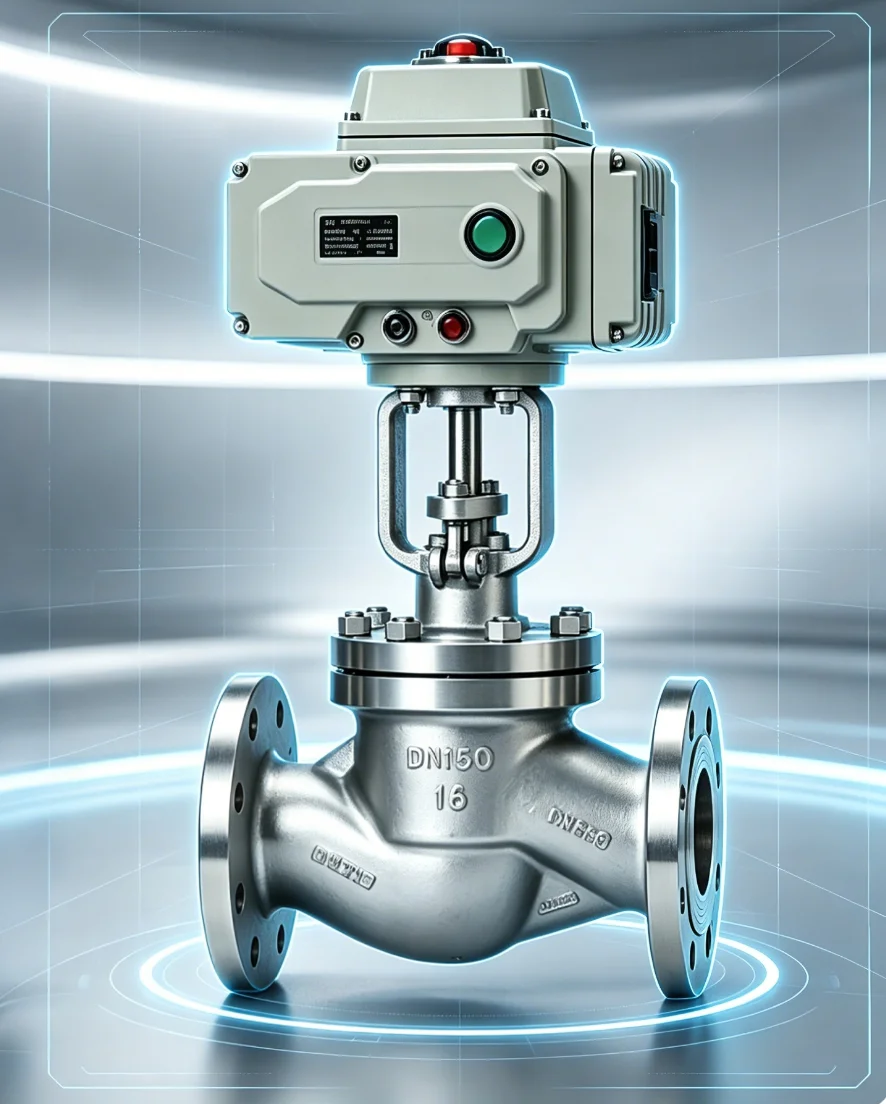
Understand Your Requirements Before Comparing Suppliers
Before contacting suppliers, buyers should first define their own technical requirements. A clear understanding of application needs makes supplier evaluation more accurate.
Important factors include:
· Valve size and connection type
· Operating pressure and temperature
· Flow medium characteristics
· Required stainless steel grade
· Manual or automated operation
· Industry certifications
· Required delivery schedule
For example, a stainless steel globe valve used in a chemical processing plant may require 316 stainless steel construction and special sealing materials, while a valve used in a water system may only require standard specifications.
Having detailed requirements helps buyers determine whether a supplier has the technical capability to provide the right solution.
Evaluate Supplier Manufacturing Capability
One of the first things to consider is whether the supplier is an actual manufacturer or simply a trading company.
A professional stainless steel globe valve supplier with its own factory usually has better control over:
· Product quality
· Manufacturing processes
· Customization capability
· Delivery schedules
· Technical improvements
Key questions to ask:
· Does the supplier own a manufacturing facility?
· How many years of valve production experience do they have?
· What types of globe valves do they produce?
· Can they provide customized solutions?
· What production equipment do they use?
A factory with CNC machining equipment, automated testing systems, and experienced technicians is more likely to provide consistent products.
Check Product Quality Standards and Certifications
Quality certification is one of the most important factors when comparing stainless steel globe valve suppliers.
Reliable suppliers typically follow international standards to ensure product performance and safety.
Common standards include:
· ISO 9001 quality management system
· API standards for oil and gas applications
· ASME standards
· CE certification
· ANSI standards
These certifications demonstrate that the supplier has established quality management procedures.
However, buyers should not only look at certificates. They should also understand how the supplier applies quality control during production.
A reliable supplier should be able to explain:
· Raw material inspection procedures
· Machining quality control
· Assembly inspection
· Pressure testing methods
· Final product inspection
Compare Stainless Steel Material Quality
Material selection directly affects the durability and performance of a stainless steel globe valve.
Different applications require different stainless steel grades.
304 Stainless Steel
Commonly used for:
· Water systems
· General industrial applications
· Air and non-corrosive fluids
Advantages:
· Good corrosion resistance
· Cost-effective
· Suitable for standard environments
316 Stainless Steel
Often selected for:
· Marine applications
· Chemical processing
· Pharmaceutical industries
· Saltwater environments
Advantages:
· Higher corrosion resistance
· Better resistance to chloride corrosion
· Longer service life in harsh conditions
When comparing suppliers, buyers should confirm whether the supplier provides material certificates and traceability records.
A reliable stainless steel globe valve manufacturer should be able to provide documentation proving material composition and quality.
Review Product Range and Customization Ability
Different industries require different valve configurations. A supplier with a wide product range can usually provide more suitable solutions.
When comparing suppliers, check whether they offer:
· Stainless steel globe valves
· High-pressure globe valves
· Flanged globe valves
· Threaded globe valves
· Butt-weld globe valves
· Socket-weld globe valves
· Pneumatic globe valves
· Electric actuated globe valves
Customization capability is also important for industrial buyers.
Some projects require:
· Special pressure ratings
· Non-standard dimensions
· Customized connections
· Specific sealing materials
· Special surface treatments
A supplier capable of handling customized orders can provide greater flexibility for complex projects.
Compare Manufacturing and Testing Processes
A supplier's manufacturing process directly reflects product reliability.
A professional stainless steel globe valve factory should have a complete production process, including:
Raw Material Inspection
Before production begins, materials should be checked for:
· Chemical composition
· Mechanical properties
· Surface quality
Precision Machining
Valve components such as:
· Key valve components requiring precision machining include:
· Valve body-pressure-containing shell
· Bonnet-cover assembly for internal access
· Disc (plug-type or composition-type)-the closing member that regulates flow
· Stem- transmits motion from actuator to disc
· Seat ring-provides the sealing surface; may be integral or replaceable
· Gland packing-ensures stem sealing to prevent leakage
· Yoke-supports the stem and actuator assembly
require accurate machining to ensure proper sealing.
Assembly Control
During assembly, suppliers should check:
· Component compatibility
· Tightening torque
· Valve operation performance
Pressure Testing
Pressure testing is a critical step for industrial valves.
Common tests include:
· Shell pressure testing
· Seat leakage testing
· Functional testing
Comparing these processes helps buyers identify suppliers with stronger quality control systems.
Analyze Supplier Experience in Your Industry
A supplier may produce high-quality valves, but industry experience is equally important.
Different industries have different valve requirements.
Oil and Gas Industry
Requires:
· High-pressure capability
· Reliable sealing
· Strict safety standards
Chemical Industry
Requires:
· Corrosion-resistant materials
· Chemical compatibility
· Leak prevention
Marine Industry
Requires:
· Saltwater resistance
· Durable construction
· Long service life
Food and Pharmaceutical Industry
Requires:
· Hygienic design
· Clean surface finishing
· Compliance with sanitary standards
A supplier with experience in your industry will better understand your technical challenges and provide more appropriate recommendations.
Compare Pricing Structure Carefully
Price is an important consideration, but it should not be the only factor.
The lowest price does not always mean the best value.
A cheaper stainless steel globe valve may involve:
· Lower-grade materials
· Reduced testing procedures
· Poor sealing components
· Shorter service life
Instead of comparing only unit prices, buyers should evaluate total value, including:
· Product quality
· Service life
· Maintenance costs
· Delivery reliability
· Technical support
A slightly higher initial investment can often reduce long-term operating expenses.
Evaluate Delivery Capability and Supply Stability
Reliable delivery is critical for industrial projects.
Before ordering, buyers should evaluate:
· Production capacity
· Standard lead times
· Inventory availability
· Export experience
· Logistics capability
A supplier with stable production capacity can reduce project delays.
Important questions include:
· Can they handle large-volume orders?
· Do they have experience with international shipping?
· Can they provide accurate delivery schedules?
Supply stability is especially important for companies requiring regular purchases of stainless steel globe valves.
Check Customer Reviews and Export Experience
Supplier reputation provides valuable information about reliability.
Before selecting a supplier, consider:
· Customer feedback
· Export history
· Long-term partnerships
· Industry reputation
Experienced exporters usually understand:
· International quality requirements
· Documentation requirements
· Packaging standards
· Shipping procedures
This reduces communication problems and improves purchasing efficiency.
Assess Technical Support and After-Sales Service
A professional supplier should provide support before and after purchase.
Technical services may include:
· Product selection guidance
· Installation recommendations
· Maintenance suggestions
· Troubleshooting support
After-sales service is especially important for industrial equipment.
A supplier that continues supporting customers after delivery demonstrates confidence in product quality and commitment to long-term relationships.
Common Mistakes When Choosing a Stainless Steel Globe Valve Supplier
Many buyers make mistakes during supplier selection.
Choosing Only Based on Price
Low-cost suppliers may compromise quality to reduce prices.
Ignoring Manufacturing Capability
A supplier without production control may struggle with consistency.
Not Checking Certifications
Missing certifications can create compliance issues.
Overlooking Technical Support
Poor support can increase installation and maintenance difficulties.
Failing to Confirm Material Quality
Incorrect stainless steel grades can cause premature failure.
Avoiding these mistakes helps buyers select more reliable suppliers.
Why Working with the Right Supplier Matters
A reliable stainless steel globe valve supplier provides more than products. They become a technical partner who helps improve system reliability and operational efficiency.
The right supplier can offer:
· Stable product quality
· Competitive pricing
· Custom solutions
· Professional engineering support
· Reliable delivery
For industrial applications, supplier selection directly affects project success.
Conclusion
Comparing stainless steel globe valve suppliers before ordering requires careful evaluation of manufacturing capability, material quality, certifications, testing procedures, industry experience, pricing, delivery performance, and technical support.
The best supplier is not necessarily the one offering the lowest price but the one providing reliable products, consistent quality, and long-term value.
By following a structured supplier evaluation process, industrial buyers can select a trustworthy partner and ensure that their stainless steel globe valves deliver safe, efficient, and durable performance in demanding applications.
www.ainoxvalves.com
ainoxvalves
