
Outdoor cabinets are essential for protecting mission-critical equipment across industries such as telecommunications, smart transportation, environmental monitoring, renewable energy, and industrial automation. Unlike equipment installed indoors, outdoor enclosures must continuously operate under challenging environmental conditions, including heavy rain, dust, humidity, extreme temperatures, UV radiation, and electromagnetic interference.
Because of these demanding conditions, the materials used to manufacture an outdoor cabinet directly influence its durability, weather resistance, thermal performance, and overall service life. A well-designed enclosure combines multiple materials, each serving a specific purpose to ensure reliable operation over many years.
This article examines the primary materials used in premium outdoor cabinets and explains how each contributes to dependable performance in harsh environments.
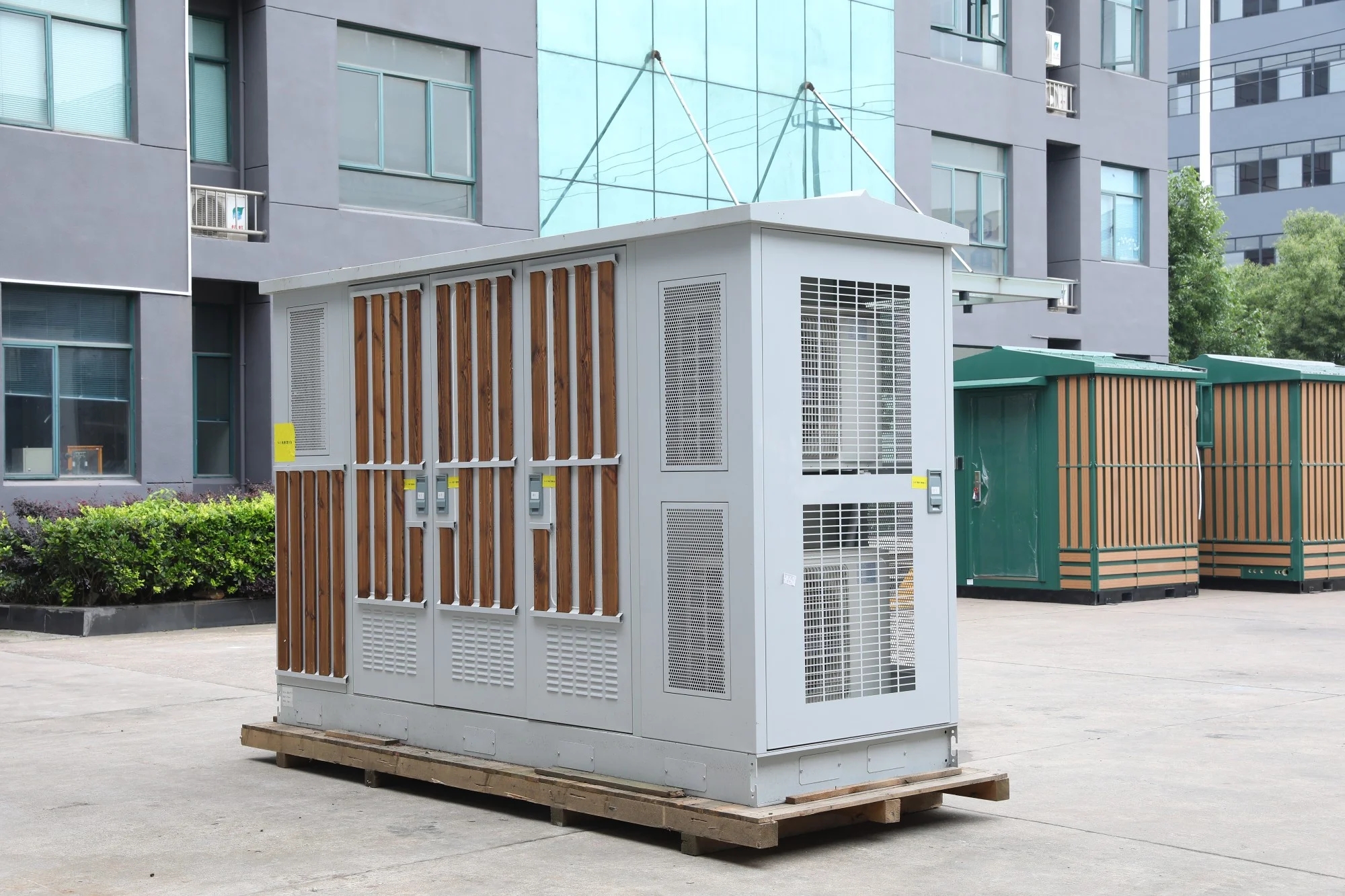
1. Galvanized Steel: A Reliable Structural Material
Galvanized steel remains one of the most popular choices for outdoor cabinet construction. Its combination of high mechanical strength, corrosion protection, and affordability makes it suitable for a wide range of outdoor applications.
A protective zinc layer covers the steel surface, helping prevent corrosion caused by moisture and changing weather conditions. This allows galvanized steel cabinets to maintain their structural integrity even after years of outdoor exposure.
Major benefits include:
-
Strong structural support for heavy equipment
-
High resistance to impacts and deformation
-
Effective corrosion protection in typical outdoor environments
-
Excellent compatibility with additional protective coatings
For telecommunications infrastructure, roadside control systems, and industrial monitoring stations, galvanized steel continues to be a practical and dependable material.
2. Stainless Steel: Superior Protection Against Corrosion
Applications located in highly corrosive environments often require stainless steel instead of galvanized steel. Coastal regions, chemical plants, and humid industrial sites expose equipment to salt, chemicals, and moisture that accelerate corrosion.
The chromium contained in stainless steel naturally forms a protective oxide film that significantly improves resistance to oxidation.
Typical applications include:
-
Coastal communication facilities
-
Industrial automation systems
-
Chemical processing plants
-
Outdoor data and control centers
Although stainless steel generally involves a higher initial investment, its exceptional durability and minimal maintenance requirements often reduce lifetime operating costs.
Different grades are selected according to environmental conditions. Type 304 stainless steel performs well in general outdoor environments, while 316 stainless steel provides additional protection against salt spray and aggressive chemicals.
3. Aluminum Alloy: Lightweight with Excellent Heat Transfer
Aluminum alloys have become increasingly common in outdoor cabinet manufacturing because they offer an excellent balance between weight reduction and corrosion resistance.
Compared with steel, aluminum cabinets are much lighter, making transportation, installation, and maintenance easier—particularly for rooftop installations, communication towers, and elevated structures.
Key advantages include:
-
Reduced overall cabinet weight
-
Natural corrosion resistance through surface oxidation
-
Efficient thermal conductivity for improved cooling
-
Environmentally friendly and highly recyclable
Because aluminum is generally less rigid than steel, manufacturers often combine it with reinforced internal frameworks to maintain structural stability.
4. Composite Materials: Advanced Protection for Specialized Applications
Composite materials such as fiberglass reinforced plastic (FRP) provide an alternative solution where traditional metal enclosures may not be ideal.
These materials resist corrosion, chemical exposure, and ultraviolet radiation while offering excellent electrical insulation. Their non-metallic properties also reduce electromagnetic interference.
Composite cabinets are commonly installed in:
-
Environmental monitoring stations
-
Water treatment facilities
-
Smart city infrastructure
-
IoT sensor networks
Advantages include:
-
Outstanding resistance to corrosion
-
High insulation performance
-
Excellent UV durability
-
Reduced electromagnetic interference
As intelligent infrastructure expands, composite materials are becoming increasingly valuable for specialized outdoor applications.
5. Thermal Insulation Materials for Temperature Control
Protecting electronic equipment requires more than structural strength. Internal temperatures must remain stable regardless of changing outdoor weather.
To achieve this, manufacturers incorporate insulation materials such as:
-
Polyurethane (PU) foam
-
Rock wool insulation
-
Expanded polystyrene (EPS)
These insulation systems minimize heat transfer between the cabinet interior and surrounding environment.
In colder climates, they help prevent freezing damage. In hotter regions, they reduce heat buildup and improve cooling efficiency. Stable internal temperatures contribute directly to longer equipment life and improved operating reliability.
6. Sealing Systems for Water and Dust Protection
Even the strongest enclosure cannot perform effectively if water or dust can enter through gaps.
High-quality outdoor cabinets rely on durable sealing materials to achieve IP-rated protection levels.
Common sealing components include:
-
Silicone rubber gaskets
-
EPDM sealing strips
-
Weather-resistant foam seals
These materials maintain flexibility despite long-term exposure to sunlight and temperature changes. They effectively seal cabinet doors, cable entry points, and structural joints, preventing moisture and contaminants from damaging sensitive electronics.
Reliable sealing also helps control internal humidity, reducing the likelihood of corrosion and electrical failures.
7. Protective Surface Coatings
Surface treatment plays an important role in extending cabinet lifespan. Modern outdoor cabinets often incorporate multiple protective coating layers that shield metal surfaces from harsh environmental conditions.
Typical coating systems include:
-
Electrostatic powder coating
-
Epoxy primer coatings
-
UV-resistant finishing layers
Together, these coatings improve resistance to:
-
Rain and moisture
-
Salt spray
-
Industrial pollutants
-
Continuous ultraviolet exposure
When combined with galvanized or stainless steel, these protective finishes create a highly durable barrier against corrosion.
8. Electromagnetic Shielding for Sensitive Equipment
Many communication and control systems require effective electromagnetic compatibility (EMC) to maintain stable signal transmission.
Outdoor cabinets designed for these applications often integrate shielding materials such as:
-
Copper conductive mesh
-
Aluminum shielding layers
-
Conductive sealing gaskets
These components reduce electromagnetic interference from nearby electrical equipment, transmission facilities, and communication infrastructure, ensuring reliable operation of sensitive electronic devices.
9. Engineering Expertise Is as Important as Material Selection
Selecting premium materials is only one aspect of producing a reliable outdoor cabinet. Engineering design, manufacturing precision, and quality control are equally important in determining long-term performance.
Jinhua Zhongxing Communication Technology Co., Ltd. specializes in the design and manufacture of outdoor equipment rooms, communication cabinets, communication towers, and emergency communication systems. Its capabilities extend from product development and structural engineering to installation and lifecycle maintenance.
The company's qualifications include professional certifications in steel structure engineering and communication engineering, allowing it to serve industries such as:
-
Intelligent transportation
-
Environmental monitoring
-
Energy storage
-
Climate observation
-
IoT infrastructure
By integrating advanced materials with optimized structural design and intelligent monitoring technologies, the company delivers outdoor cabinet solutions built for demanding operating environments.
To learn more about their products and engineering capabilities, visit:
<a href="https://www.jhzxctech.com/outdoor-cabinets-solutions.html">Outdoor Cabinet Solutions Overview</a>
Conclusion
The durability of an outdoor cabinet depends on the careful integration of multiple high-performance materials rather than a single component.
Galvanized steel provides dependable structural support, stainless steel delivers outstanding corrosion resistance, aluminum alloys reduce weight while improving heat dissipation, composite materials offer insulation and chemical resistance, and advanced sealing systems and protective coatings defend against environmental damage. Electromagnetic shielding further enhances the reliability of communication and control equipment.
As industries continue adopting smart infrastructure, renewable energy, and IoT technologies, outdoor cabinet manufacturers will increasingly rely on advanced materials and integrated engineering to deliver longer-lasting, more resilient enclosure solutions.
www.jhzxctech.com
Wenzhou FunFort Bear Amusement Equipment Co., Ltd.
